Begin with how often the home is occupied
A homeowner replacing an air conditioner in Perry can ask many of the same equipment and electrical questions as a homeowner at Keaton Beach. The coastal property adds another layer.
Salt exposure, wind, storm debris, power interruptions, elevated construction, long periods without occupancy, and persistent Gulf humidity can all affect how the system should be selected and installed. Our Keaton Beach service page specifically addresses those conditions rather than treating a coastal replacement as the same project with a longer drive from the shop. A good replacement plan should account for how the property lives throughout the year, not only how many square feet appear on the tax record.
Keaton Beach includes full-time homes, weekend properties, fishing camps, rentals, and residences that sit empty for long periods. Those properties do not place the same demands on an HVAC system. A year-round household may run cooling steadily through most of the warm season. A weekend property may sit at a higher temperature for several days and then be asked to recover quickly when the family arrives. A rental may have frequent door traffic and thermostat changes. Another house may remain unoccupied for weeks during the most humid part of the year.
Tell us how the home is actually used. Useful details include how many days the home commonly sits empty, whether guests or renters change the thermostat, which months receive the heaviest use, whether anyone monitors the home remotely, which rooms feel different after the house has been closed, and how quickly the owner expects the home to recover after arrival. That occupancy pattern can affect thermostat planning, moisture management, condensate protection, and the way different zones are handled.
Coastal corrosion should be part of equipment selection
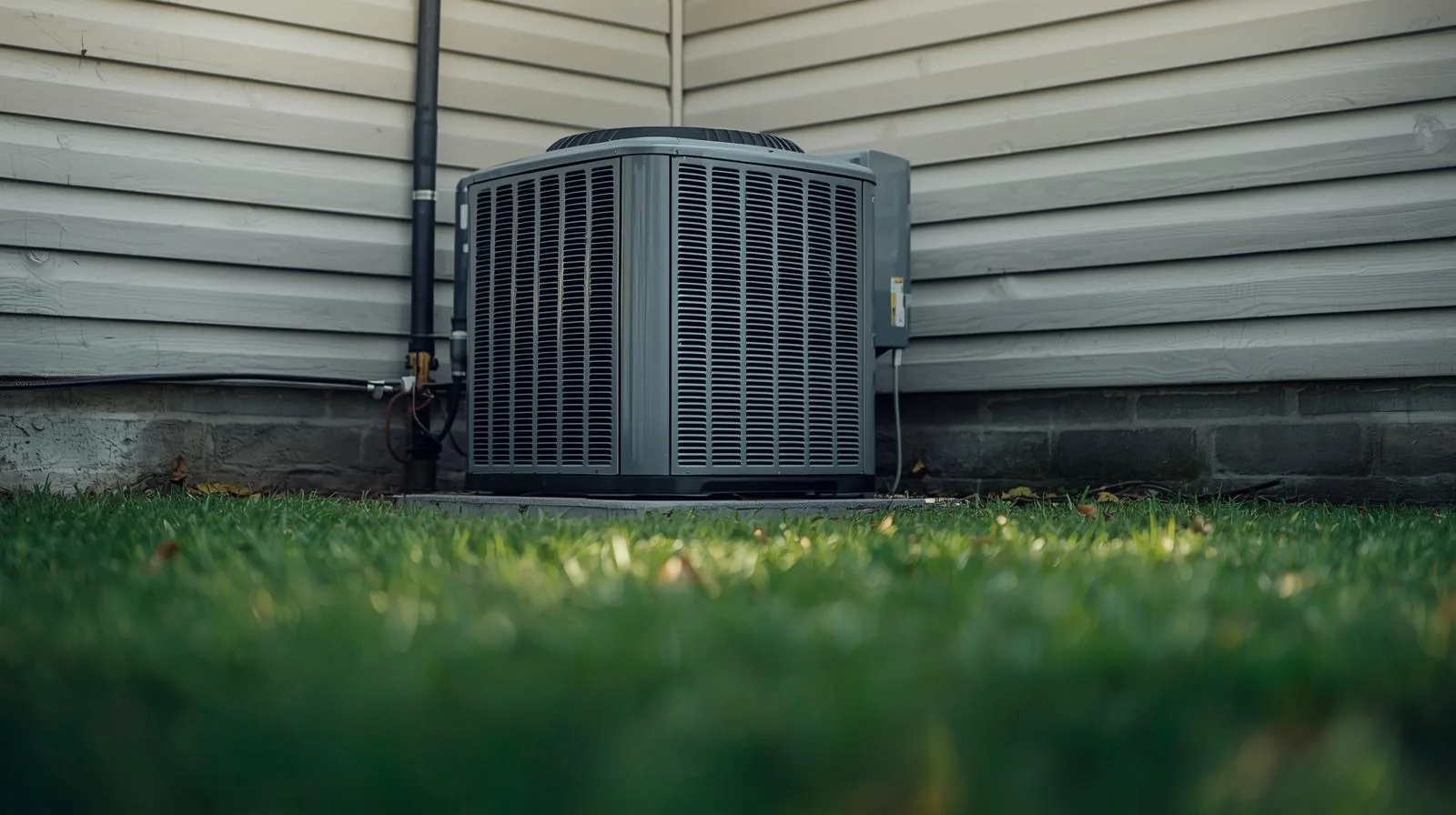
The outdoor unit spends its life moving air across metal surfaces. Near the Gulf, that air can carry salt. Coastal exposure can speed corrosion on coils, fasteners, electrical connections, and fan components. We discuss coated or coastal-rated equipment when a replacement is due under air conditioner repair and installation and broader cooling services.
This does not mean a coastal homeowner should automatically buy the most expensive cabinet available. It means the replacement conversation should include the home distance and exposure to open water, the location of the outdoor unit, existing corrosion on the old equipment, how much protection the house or landscaping provides, appropriate cleaning and inspection practices, and equipment options intended for marine environments. The lowest-cost replacement on installation day may not be the best match for a unit that will sit in direct coastal air every day. Financing can help when a coastal-rated option sits above the cheapest installed price.
Elevated homes can complicate airflow and drainage
Many coastal properties are raised, multi-level, or built with sleeping spaces above the main living area. That layout can create comfort differences that a larger outdoor unit will not automatically solve. Upstairs rooms may receive more roof and sun exposure. Long duct runs may struggle to move enough air to distant rooms. A system that cools the main living area well may leave a loft or bedroom several degrees warmer.
Zoning, ductless heads, and blower adjustments can all enter the discussion for multi-level coastal homes. Before replacing the existing system with another unit in the same location, document where the old setup struggled. Note which rooms stayed warm, which areas felt damp after the home sat empty, whether doors were commonly kept closed, whether the upper floor received weak airflow, and whether an addition was connected to the original ductwork later. A replacement should not preserve a poor airflow layout simply because the previous equipment was installed that way.
Drainage also deserves attention. Coastal humidity produces substantial condensate, and clogged drain lines and overflow concerns show up often in elevated homes. The installer should have a clear plan for where that water goes and how the homeowner can recognize a developing problem. Moisture management may also involve indoor air quality work and dehumidifier repair and installation when vacant weeks leave the house damp even when cooling eventually returns.
Storm recovery belongs in the original design
Power blinks and lightning are part of coastal life. Our Keaton Beach guidance discusses surge protection, condensate safety switches, post-storm diagnostics, and safe restart procedures for part-time residences. A replacement discussion should cover what happens after power returns.
Ask whether the thermostat resumes its normal schedule, whether surge protection is included or recommended, what shuts the system down if the drain backs up, whether the owner can receive an alert when the house becomes too warm or humid, what a caretaker should check after a storm, and which conditions call for a service visit instead of another reset. No HVAC installation is storm-proof. The goal is a clearer recovery process when the house may be empty and nobody notices that cooling did not return.
Ductless equipment can solve a particular part of the house
A ductless mini-split is not automatically the best replacement for an entire coastal home. It can be extremely useful when one section has a different schedule or load. A detached guest room, upper sleeping loft, enclosed porch, workshop, or addition may need independent control without rebuilding the whole duct system.
We list ductless mini-splits as a common coastal option because they avoid long duct runs and allow room-by-room operation. Heat pump homes should also review heat pump repair and installation when the same outdoor equipment will handle both cooling and heating. The right question is not whether mini-splits are better in general. It is which spaces need to operate separately from the main house. That keeps the equipment decision tied to the floor plan instead of a trend.
Give us the property history before the estimate
A replacement estimate becomes more useful when the technician knows what happened before the old system reached the end of its life. Prepare a short history covering equipment age and major repairs, rooms that never cooled properly, previous drain backups, visible coastal corrosion, storm-related electrical repairs, long periods when the system sat unused, and any future additions or renovations.
We service coastal and inland Taylor County properties from our Perry location at 520 W Hampton Springs Avenue, covering residential cooling, heating, ductless systems, indoor air quality, and commercial refrigeration. Keaton Beach homeowners can call 850-584-3626 or use contact to discuss the house, its exposure, and how it is occupied before selecting replacement equipment. Start from our home page for the full company overview.