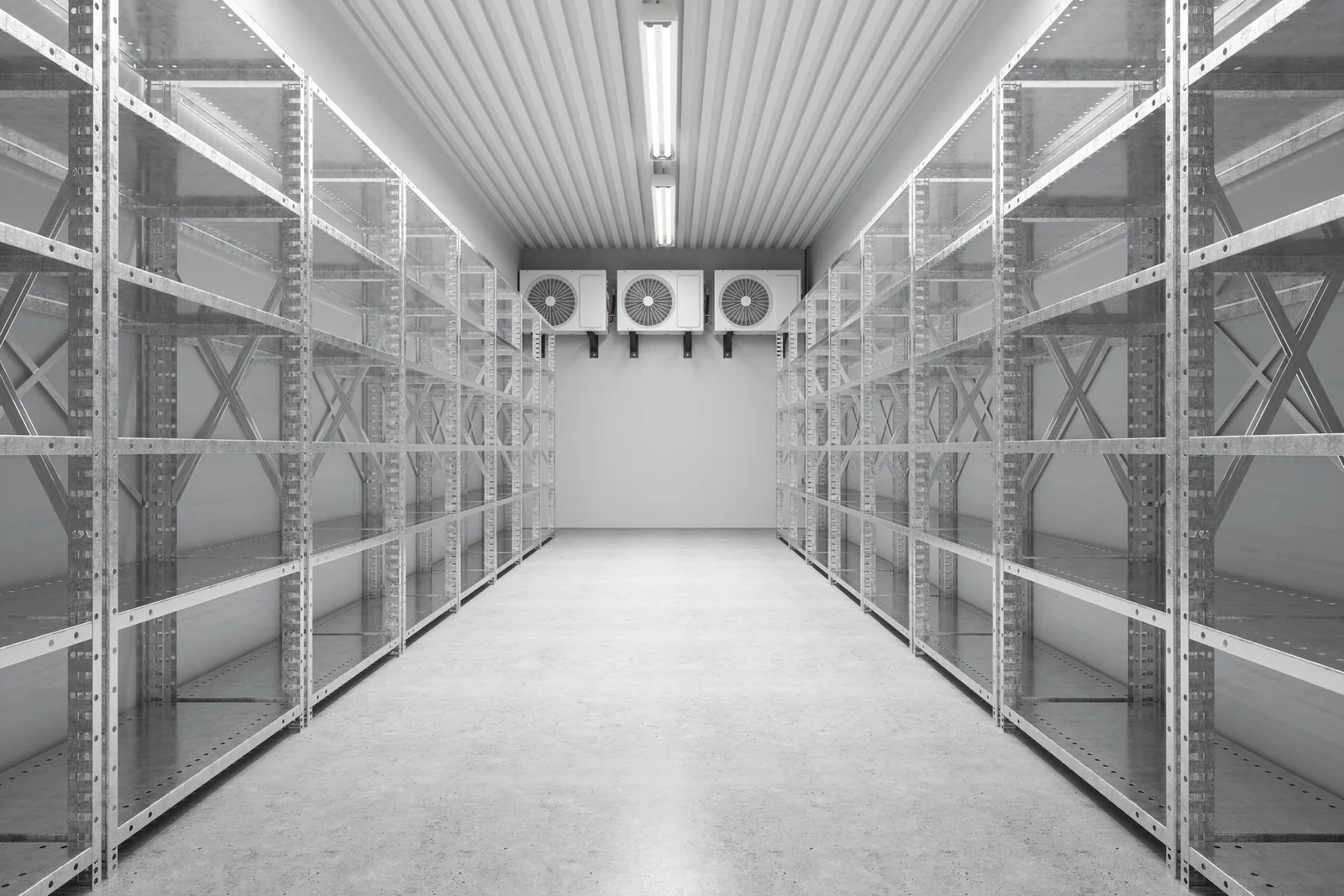
Commercial Refrigeration Problems Often Begin With Airflow Around the Condenser
There is no single answer for every home when it comes to airflow around commercial refrigeration equipment. The right approach depends on what is already there, what has changed, and what matters most in daily use. Taylor County businesses may operate through long hot periods that expose weak condenser airflow quickly. That local context is useful, but the conditions at your property or workplace still guide the recommendation.
For this topic, it helps to look beyond the thermostat. Reviewing condenser cleanliness, equipment clearance, and ambient temperature gives a fuller picture of how the equipment is handling comfort and moisture. None of those details should be used alone to jump to a conclusion. Together, they help show whether the concern is related to maintenance, installation, normal operation, or a condition that deserves a closer repair discussion.
The surrounding setup matters as well. Questions about fan operation, door opening patterns, and product loading can affect access, drainage, airflow, long-term maintenance, and what can be checked during a normal visit. These are not reasons to assume a larger problem. They are practical details that help us see whether the equipment can be serviced properly and whether the recommended change will continue to work after the appointment.
This topic can be oversimplified by lowering the thermostat while heat rejection and airflow remain restricted. That approach may address the easiest detail to see while leaving the original concern unchanged. Before moving ahead, it helps to compare that assumption with condenser cleanliness, equipment clearance, and ambient temperature and the way the home is used from day to day.
Before service, note when the change is easiest to notice, whether it follows a long cooling or heating cycle, and whether you have seen water, frost, unusual sound, or weak airflow. You do not need a formal report. A few clear notes or photos related to condenser cleanliness, equipment clearance, and ambient temperature can make the first conversation far more useful.
It is also useful to talk about what happens after the work. Ask what a normal result should look like, what you can safely watch for, and whether a follow-up depends on weather, regular use, or another season. That gives you a practical way to judge the result without making you responsible for performing a technical inspection. When reviewing airflow around commercial refrigeration equipment, keep any follow-up tied to a clear change involving product loading.
The useful question is not simply, 'What can be done?' It is whether cleaning, clearance changes, fan repair, operating changes, or refrigeration service should come first. That keeps the recommendation tied to an outcome rather than a list of services. You should know why each proposed step is included, what inconvenience it may create, and whether leaving part of the existing system unchanged is a reasonable choice.
If the explanation starts to feel too technical, bring it back to three points: what is happening around condenser cleanliness, what role equipment clearance plays, and what you will need to know about product loading later. Clear answers to those questions are usually enough to understand the plan.
A proportional recommendation explains both what needs attention and what can stay unchanged. That balance matters with airflow around commercial refrigeration equipment, especially when a nearby feature looks related but does not affect the result. Knowing what is outside the work can be just as useful as knowing what is included.
When you contact us about airflow around commercial refrigeration equipment, we start by listening to what you have noticed and what you want to improve. From there, we look at the related conditions and explain the next step in plain language. If something cannot be confirmed during the initial service visit, we will say so. You should come away knowing what we recommend, why it fits, and what happens next.
Helpful advice about airflow around commercial refrigeration equipment should leave you with fewer questions, not a longer list of things to worry about. By keeping the discussion tied to your home, your priorities, and the conditions that are actually present, we can recommend a next step that feels practical rather than generic.