
Planning HVAC Service for a Coastal Property Means Looking Beyond the Thermostat
If you are thinking about coastal HVAC maintenance, there is probably a practical reason behind it. Something may not be working the way you expect, or you may be planning ahead before a repair, renovation, seasonal change, or busy period. Homes near Keaton Beach face salt, wind, moisture, and storm conditions that inland service checklists may not fully capture. The most helpful place to begin is with what you want the finished result to do for your home, then look at the details that can affect that result.
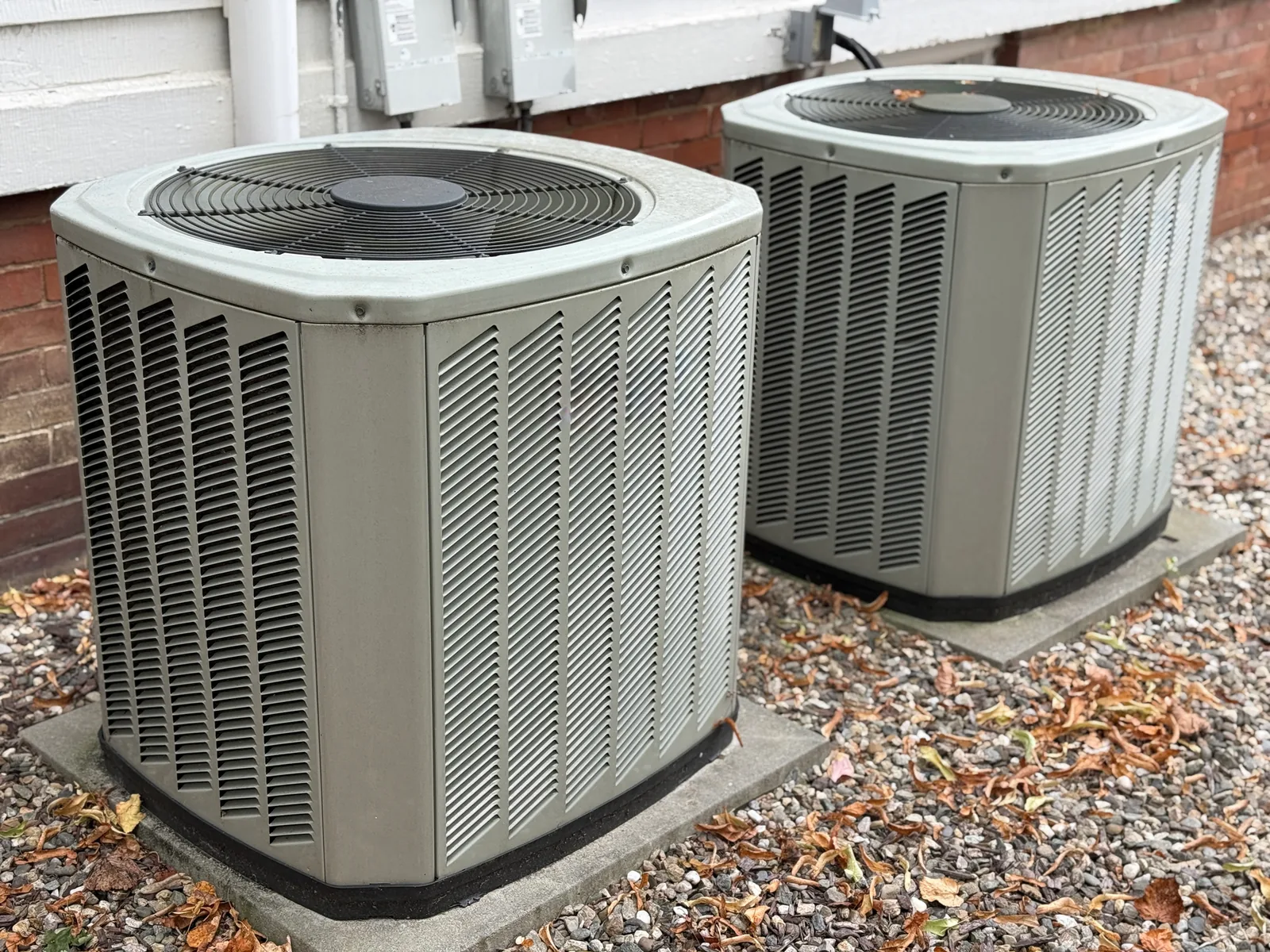
For this topic, it helps to look beyond the thermostat. Reviewing outdoor coil condition, fastener and cabinet corrosion, and electrical connections gives a fuller picture of how the equipment is handling comfort and moisture. None of those details should be used alone to jump to a conclusion. Together, they help show whether the concern is related to maintenance, installation, normal operation, or a condition that deserves a closer repair discussion.
The surrounding setup matters as well. Questions about drainage, filter loading, and storm exposure can affect access, drainage, airflow, long-term maintenance, and what can be checked during a normal visit. These are not reasons to assume a larger problem. They are practical details that help us see whether the equipment can be serviced properly and whether the recommended change will continue to work after the appointment.
This topic can be oversimplified by assuming normal indoor temperature means outdoor components are unaffected by the coastal environment. That approach may address the easiest detail to see while leaving the original concern unchanged. Before moving ahead, it helps to compare that assumption with outdoor coil condition, fastener and cabinet corrosion, and electrical connections and the way the home is used from day to day.
A Common Question
Before service, note when the change is easiest to notice, whether it follows a long cooling or heating cycle, and whether you have seen water, frost, unusual sound, or weak airflow. You do not need a formal report. A few clear notes or photos related to outdoor coil condition, fastener and cabinet corrosion, and electrical connections can make the first conversation far more useful.
Timing may influence what can be seen during the service visit. Weather, occupancy, seasonal use, or recent work can temporarily hide or exaggerate a condition. If the concern comes and goes, a dated photo or a short note about when it appears can help. That is especially useful for coastal HVAC maintenance, because the most informative condition may not be active when the appointment begins. When reviewing coastal HVAC maintenance, keep any follow-up tied to a clear change involving storm exposure.
Ultimately, you are deciding which preventive items deserve attention now and which conditions should be documented for future comparison. One option may address the immediate need, while another may coordinate work that would be harder to revisit later. The better choice depends on your priorities, timing, and how long you expect the current setup to remain in use. The explanation should make those tradeoffs clear without assuming the larger option is automatically the right one.
It is reasonable to ask which detail matters most. The answer may be outdoor coil condition, or it may be the connection between fastener and cabinet corrosion and electrical connections. You can also ask whether storm exposure belongs in the current work or is simply something to keep in mind for the future.
Sometimes the most useful finding is that one part of the heating and cooling system is not contributing to the concern. That can remove an unnecessary step and make the remaining recommendation easier to understand. Helpful service should reduce uncertainty, not create a new worry around every component or area.
During the service visit, we keep the conversation centered on the reason you reached out. We will explain what we can confirm, what may need another step, and how the recommendation connects to your everyday use of the home. The goal is for you to understand the plan without needing technical vocabulary to evaluate it.
You do not need to become an expert in coastal HVAC maintenance before asking for help. Start with the way your home is used and the change you want to see. From there, details such as outdoor coil condition, fastener and cabinet corrosion, and electrical connections can be put into context and turned into a plan that is understandable, useful, and appropriate for your home.