
Overview
A heat pump is a heating and cooling system that moves heat from one place to another instead of making heat the way a furnace does. That simple difference is why “what is a heat pump” has become such a common question, especially if your house feels stuffy in July, chilly in January, or somehow both depending on which room you’re in. Once you understand how it works, the whole category gets a lot less mysterious.
What is a heat pump?
A heat pump is a system that heats your space in winter and cools it in summer by transferring heat. In cold weather, it pulls heat from outside and brings it indoors. In warm weather, it pulls heat from inside and sends it outside.
Here’s the easiest way to picture it: think of a refrigerator. A refrigerator does not create “cold.” It removes heat from inside the fridge and dumps that heat somewhere else, usually into your kitchen. A heat pump works on that same basic idea, just with the ability to reverse direction.
That matters because heating and cooling are usually the biggest comfort issues in a home or building. If one room is freezing, another is muggy, and your utility bill keeps climbing, the type of system you use changes both comfort and cost. A heat pump can often solve two problems at once because one piece of equipment handles both seasons.
The big distinction is simple. A furnace burns fuel or uses electric resistance to create heat. A heat pump moves existing heat. That sounds like a small difference. It isn’t. It changes how the system feels, how it performs, and what kind of setup makes sense for your property.
How a heat pump works
At its core, a heat pump collects heat in one place and releases it somewhere else. That’s the whole trick.
To do that, it uses a refrigerant, which is a fluid that easily absorbs and releases heat as it changes pressure and temperature. The system also uses a compressor, which pressurizes that refrigerant so the heat can be moved effectively. Then you have an indoor unit and an outdoor unit, connected by refrigerant lines, so the heat has a path to travel.
If that sounds technical, the plain-English version is easier: the system grabs heat, squeezes it to change its temperature, and delivers it where you want it.
It heats your home by moving outdoor heat indoors
This is the part that makes people pause. If it’s cold outside, how can there be any heat to pull in?
Because cold air is not the same thing as zero heat. Even outdoor air that feels bitterly cold still contains heat energy. A heat pump is designed to capture some of that heat and move it inside. The refrigerant absorbs heat outdoors, the compressor raises the temperature further, and the indoor side releases that heat into your home.
That’s why a heat pump can still work when the weather is below freezing. The outdoor air may not feel warm to you, but there is still usable heat in it. Modern systems are much better at this than older ones, which is one reason heat pumps have become far more practical in places with real winters.
The catch is that performance changes as outdoor temperatures drop. When it gets colder, the system has less heat to work with and has to work harder to gather it. That does not mean it stops working. It means the quality of the equipment, the setup of the home, and the local climate matter more.
It cools your home by reversing the process
In summer, the system flips direction. Instead of collecting heat from outside and bringing it in, it collects heat from inside and pushes it outdoors.
That means a heat pump cools your home much like a central air conditioner does. Warm indoor air passes over the indoor coil, the refrigerant absorbs that heat, and the system carries it outside where it gets released. The result is cooler indoor air and less indoor humidity.
So yes, one system can handle both heating and cooling. That’s one of the biggest reasons people like heat pumps. You are not looking at one appliance for summer and another for winter, at least not in every setup.
The main parts that make it work
The outdoor unit is the box outside your home or building. It exchanges heat with the outdoor air. In heating mode, it gathers heat from outside. In cooling mode, it releases heat outside.
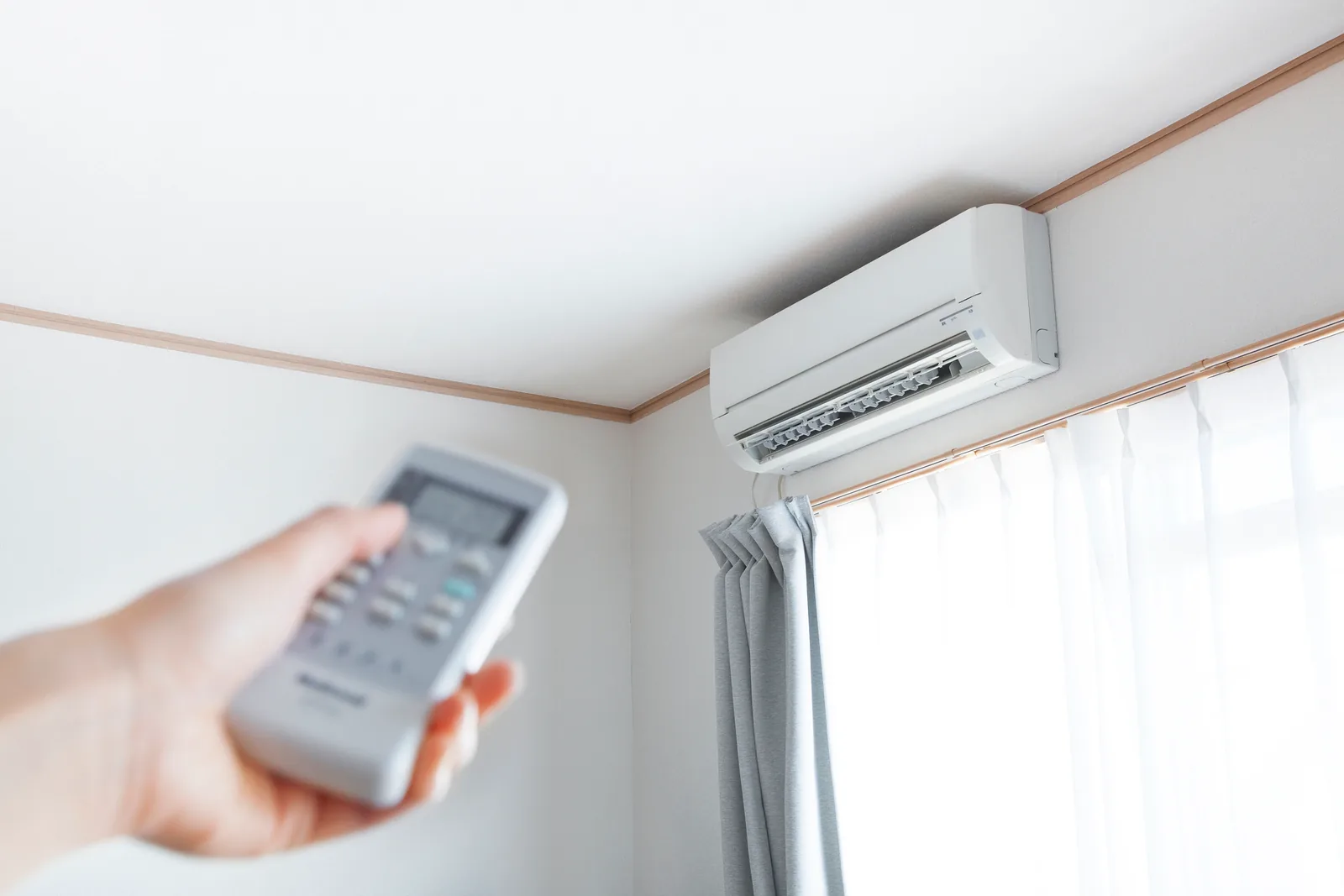
The indoor unit depends on the kind of system you have. In a ducted setup, it works with your air handler or indoor coil to move conditioned air through the ducts. In a ductless mini-split, the indoor unit is the wall-mounted or ceiling-mounted piece inside the room.
The refrigerant lines connect the indoor and outdoor parts. These lines carry the refrigerant back and forth so heat can travel through the system.
The compressor is the muscle. It pressurizes the refrigerant and keeps the cycle moving. If the heat pump were a heart-and-lungs combo, the compressor would be the pump doing the hard work.
Then there’s the reversing valve. That’s the part that switches the flow of refrigerant so the system can heat in winter and cool in summer. Without that valve, you would basically just have an air conditioner.
Why heat pumps feel different from furnaces
A heat pump usually feels different from a furnace because the air coming from the vents is often warmer than room temperature but not intensely hot. A furnace tends to deliver short blasts of very hot air. A heat pump usually runs longer and more gently.
In practice, that can feel more even from room to room. Instead of the house heating up fast, then coasting, then heating up again, a heat pump often maintains a steadier temperature. You may notice fewer sharp swings and fewer moments where one room feels like a sauna while another still feels cool.
Some people love that right away. Others notice the vent air and think, “That doesn’t feel hot enough.” But warm air does not have to feel scorching to heat the house effectively. In fact, the steadier approach is part of the appeal.
This also affects sound and airflow. Because heat pumps often run at lower, more consistent levels, the system may feel quieter and less dramatic. Not always. But often enough that comfort is about more than the thermostat number.
The main types of heat pumps
Not every heat pump looks or works the same way in a building. The basic heat-transfer idea stays the same, but the source of heat and the way conditioned air gets delivered can be very different.
Air-source heat pumps
Air-source heat pumps pull heat from outdoor air and move it indoors in winter, then reverse that process in summer. This is the most common type for homes, and usually what you mean when you ask, “what is a heat pump?”
If your house already has ductwork, an air-source heat pump can often connect to that existing system. If you are replacing aging central AC equipment, this is often the version being discussed.
These systems have improved a lot over the years. Older units helped create the idea that heat pumps were only for mild climates. That idea has not aged well.
Ductless mini-split heat pumps
A ductless mini-split heat pump does the same heating and cooling job without using ducts. Instead, it has an outdoor unit connected to one or more indoor units mounted in specific rooms or zones.
This is especially useful if you have an older house without ductwork, a finished attic, an addition over the garage, a workshop, or that one back bedroom that never seems to match the rest of the house. Mini-splits let you control temperatures room by room, which is what “zone control” really means in plain English. You are not heating or cooling the entire building exactly the same way just to fix one problem room.
That flexibility is the main selling point. You can target the spaces that need help instead of rebuilding everything.
Ground-source or geothermal heat pumps
A ground-source, or geothermal, heat pump moves heat to and from the ground rather than the outdoor air. A few feet below the surface, ground temperatures stay much more stable than the air temperature above ground. That stability gives the system a more predictable source of heat in winter and a more consistent place to dump heat in summer.
The downside is installation. This kind of system usually requires underground loops and more involved site work, so the project is bigger from the start. But efficiency can be excellent, especially in the right property with the right layout and long-term plans.
For many homes, geothermal is not the default choice. For some buildings, it is a very smart one.
Hybrid or dual-fuel systems
A hybrid or dual-fuel system pairs a heat pump with a gas furnace. The heat pump handles heating when outdoor temperatures are moderate to cold but still within its efficient range. The furnace takes over when it gets especially cold or when the control system decides burning fuel makes more sense.
This setup can be a strong fit in colder regions or in homes that already have furnace equipment in place. You get the efficiency and cooling benefits of a heat pump, but you keep furnace backup for the harshest winter conditions.
If you are not ready to rely on a heat pump alone, this is often the middle path that makes the most sense.
Do heat pumps work in cold weather?
Yes, modern heat pumps can work well in cold weather. That answer is a lot more direct than some people expect, but it is true.
The older version of this conversation was different. Older equipment often struggled more in low temperatures, and that reputation stuck around. But current cold-weather and cold-climate systems can perform very well in places with serious winters.
That said, not every heat pump is the same, and not every building gives the system an easy job. Insulation, air leakage, duct losses, equipment sizing, and local winter temperatures all matter. A well-installed cold-climate model in a reasonably tight house is a very different story from a basic unit in a drafty building with undersized ducts.
What happens on very cold days
On very cold days, some systems use backup heat, also called auxiliary heat. This extra heat source can be electric resistance heat or a paired furnace in a dual-fuel system. It turns on when the heat pump needs help keeping up.
That is normal.
If you wake up on a 7-degree morning and the system is using auxiliary heat, that does not automatically mean anything is broken. It usually means the controls are doing exactly what they are supposed to do to maintain indoor comfort.
You may also hear about defrost mode. In heating mode, frost can build up on the outdoor coil because the system is pulling heat from cold outdoor air. Defrost mode temporarily reverses operation to clear that frost. During that short cycle, the system protects itself and keeps the heat transfer process working properly.
Cold-climate heat pumps
Cold-climate heat pumps are designed to keep performing at lower temperatures than standard models. If your winters are long and sharp, this category matters.
Picture a January morning when the driveway is stiff with ice and the air feels like it bites your face the second you step outside. In that kind of weather, a standard unit and a cold-climate unit are not playing the same game. The better system is built with lower-temperature performance in mind, and that affects both comfort and operating cost.
If your area sees hard freezes regularly, this is one of the first things worth discussing during an HVAC estimate. The label “heat pump” by itself is not enough information.
Heat pump vs. furnace vs. air conditioner
A lot of confusion comes from the fact that these systems overlap. A furnace heats. An air conditioner cools. A heat pump can do both. But the way each one does the job is different, and that affects what equipment you need.
Heat pump vs. furnace
A furnace creates heat. Usually, that means burning natural gas, propane, or oil, or using electric resistance elements. A heat pump moves heat instead of generating it from scratch.
That difference shows up in comfort. Furnace air often feels hotter at the vent. Heat pump air usually feels milder but more continuous. If you like the intense blast of warmth when the furnace kicks on, a heat pump can feel unfamiliar at first. If you prefer steadier temperatures, a heat pump often feels better.
A furnace may still be part of the setup if you choose a dual-fuel system. So this is not always an either-or decision. Sometimes the best answer is both, with each piece doing the job it handles best.
Heat pump vs. central AC
A central air conditioner and a heat pump can look almost identical from outside. That is why people mix them up all the time.
In cooling mode, they work very similarly. Both move indoor heat outside. The key difference is that a heat pump has the reversing valve and controls needed to run the process in reverse for heating.
So if you already have central AC, part of the hardware may look familiar. What changes is the system’s ability to also provide heat. That one upgrade in capability is the reason a heat pump can replace more than just your cooling equipment.
Why people choose heat pumps
People choose heat pumps for a few straightforward reasons: efficiency, convenience, comfort, and the chance to simplify the whole HVAC setup.
This is not just about technology for its own sake. It is about getting a house or building to feel better without juggling separate systems that age out at different times.
Energy efficiency and lower utility use
A heat pump is often more efficient than systems that create heat because moving heat usually takes less energy than making it. That is the whole economic argument in one sentence.
The actual savings depend on electricity rates, your current fuel source, the system efficiency, and your climate. But the reason savings are possible is easy to understand. Instead of burning fuel every time you need warmth, the system transfers existing heat.
That does not mean every home instantly gets lower bills. A poorly installed heat pump in a leaky house is still a poorly installed heat pump in a leaky house. But in the right setup, lower utility use is absolutely part of the appeal.
Heating and cooling in one system
One system for both seasons is simply easier. If your air conditioner is old and your furnace is not far behind, replacing both with one main solution can be appealing.
There is less mental clutter in it. One primary system, one set of controls, one approach to year-round comfort. That simplicity is especially useful when your current equipment is patchworked together from different eras.
For small commercial spaces and offices, the same logic often applies. If comfort is inconsistent and equipment is aging, combining functions can make planning easier.
Better temperature consistency
Heat pumps are often good at maintaining a more even indoor temperature. Because many models run longer at lower output, you get fewer hard swings between “just heated” and “cooling off again.”
That can also mean quieter operation, especially with inverter-driven systems that adjust output instead of always cycling full on and full off. And with ductless or multi-zone setups, you may get more control over different parts of the building.
If your upstairs always runs hotter in summer, or your far bedroom never gets comfortable, that kind of control starts to matter a lot more than brochure language.
The catch: limits and tradeoffs to know
Heat pumps are not magic, and pretending otherwise helps nobody. There are real tradeoffs, and some buildings are easier fits than others.
Upfront installation cost
Installation can cost more than a straightforward replacement, especially if the project involves electrical work, duct modifications, refrigerant line routing, or multiple indoor units.
If your current setup is simple and you are replacing one component with a near-identical component, the cheapest path is often not a heat pump conversion. That does not make the heat pump a bad option. It just means the project may cost more at the start.
Mini-splits can also add up if you need several indoor heads for full coverage. Geothermal is an even bigger leap because the ground loop work is substantial.
Performance depends on the home
A heat pump can do a lot, but it cannot fix a house that leaks air like a screen door.
Insulation matters. Air sealing matters. Duct condition matters. Sizing matters. If your ducts are poorly designed or leaking into an attic, the system may struggle even if the equipment itself is excellent. If the building has major comfort issues from sun exposure, weak insulation, or old windows, those issues still exist after installation.
Here’s the thing: HVAC equipment should be matched to the building, not used as a bandage for every problem the building has.
Not every system fits every building
Climate, layout, existing equipment, and how you use the property all affect the best choice.
A compact ranch house with decent ducts is one thing. A drafty historic home with no ducts is another. A retail space with uneven occupancy is different again. Some buildings are perfect candidates for a ducted heat pump. Some are better suited to mini-splits. Some make more sense with dual-fuel. Some need envelope upgrades before any system will perform the way you want.
That is why “Is a heat pump good?” is the wrong question. “Is this heat pump setup good for this building?” gets much closer.
Is a heat pump right for your home or building?
A heat pump is often a good fit if you are already facing HVAC replacement, dealing with uneven temperatures, or trying to get both heating and cooling from a more flexible system.
The best time to think seriously about one is usually before an emergency replacement forces a rushed decision.
Good situations for a heat pump
A heat pump makes a lot of sense when your old air conditioner is near the end and your heating system is aging too. It also fits well if you want one system for both heating and cooling instead of replacing equipment piece by piece.
If you have a room over the garage, a sunroom, an addition, or an older home without ducts, a mini-split heat pump can solve a comfort problem without a major remodel. If some rooms are always too hot or too cold, zone-based systems can help target those problem areas directly.
And if your current system keeps turning the whole house into a cycle of too warm, too cool, repeat, the steadier operation of a heat pump can be a real upgrade.
Questions to ask before you install one
Before installing a heat pump, look at your climate, your insulation, your ductwork, and your electrical capacity. Think about whether you want whole-home coverage or just certain rooms handled better. Consider where indoor and outdoor units can go, and whether service access will be easy later.
Also look at timing. If your AC is 15 years old and your furnace is not far behind, a combined replacement may make far more sense than putting money into both separately. If one room has been uncomfortable every August for the past five years, that is not a small annoyance anymore. It is a clue about what kind of system you need.
What installation usually involves
Heat pump installation is not always a huge project, but it is also not just a box swap in every case. The scope depends on what is already in place.
If you already have ductwork
If your home already has central ducts, installation may be fairly straightforward. The outdoor unit is replaced or added, indoor components are matched to the new system, refrigerant lines and electrical connections are handled, and controls are set up.
But some “simple” jobs stop being simple once the ductwork gets inspected. Leaky ducts, undersized returns, poor airflow, or badly located vents can limit performance. Sometimes sealing or resizing ducts is part of getting the heat pump to work the way it should.
That is annoying in the short term, but better to know upfront than wonder later why the back bedrooms still never feel right.
If you do not have ductwork
If there is no ductwork, mini-splits are often the cleanest path. The outdoor unit connects to indoor wall-mounted, ceiling-mounted, or floor-mounted units through small lines that pass through the wall.
That avoids the cost and disruption of adding ducts through an existing house. It also gives you zoned comfort, which means each indoor unit can often be controlled independently.
For older homes, garages, additions, and small offices, this approach is often the difference between “possible” and “actually practical.”
Heat pump maintenance and common issues
A heat pump needs routine care, just like any HVAC system. Skip that care, and performance usually drops before total failure happens.
Simple maintenance tasks
Filter changes matter because restricted airflow makes the whole system work harder. Keeping the outdoor unit clear matters too. Leaves, weeds, snow piles, and debris around the cabinet can interfere with airflow and reduce performance.
It also helps to keep supply and return vents open and unobstructed indoors. If furniture is blocking airflow or filters are loaded with dust, comfort suffers fast.
Professional service is still part of the picture. Regular inspections help catch refrigerant issues, electrical wear, drainage problems, and component trouble before they turn into a mid-season failure. If your system enters defrost mode during winter, that is normal. It is simply clearing frost from the outdoor coil so the heat transfer process can continue.
Signs something is off
Weak airflow, rooms that suddenly stop keeping temperature, strange noises, ice that builds up and does not clear, or a sudden spike in utility bills are all signs the system needs attention.
So is short cycling, which means the system turns on and off too often. So is an outdoor unit that seems to struggle constantly in mild weather. So is indoor humidity that feels worse than usual in cooling season.
You do not need to diagnose every detail yourself. You just need to notice when the system is acting differently from normal and get it checked before a small issue becomes an expensive one.
Common misunderstandings about heat pumps
Heat pumps get misunderstood because the name sounds more technical than it really is, and because older assumptions still hang around.
“Heat pumps only work in warm climates”
This used to be closer to true than it is now. It is outdated.
Modern heat pumps, especially cold-climate models, can work very well in colder regions. The real question is not warm climate versus cold climate. It is whether the equipment is appropriate for your temperatures and whether the building supports good performance.
“A heat pump is just an air conditioner”
Not quite. A heat pump cools in a very similar way to an air conditioner, which is why the two get confused. But a heat pump also heats by reversing the process.
That heating ability is the whole point. Without it, you are just talking about AC.
“Heat from a heat pump will feel cold”
Heat pump air can feel less hot than furnace air. That part is true. But less hot is not the same thing as cold.
If the air coming from the vent is above room temperature and the system is maintaining the setpoint, the home is being heated. The sensation is just gentler. Think of it like warm water from a steady shower versus a quick blast from a very hot faucet. Different feel, same job.
What to do next if You’re considering a heat pump
If you are considering a heat pump, start with your current system age and your biggest comfort complaint. Those two things tell you a lot. If your AC is getting old, your heating system is not far behind, or certain rooms never feel right, a heat pump may solve more than one issue at once.
The simplest next move is to pay attention to the spaces farthest from your thermostat. Notice which rooms run too hot, too cold, or never seem to settle. That one quick check often tells you whether you need a straightforward replacement, a zoned solution, or a deeper look at the house itself before any new equipment goes in.
Disclaimer: This article is for general informational purposes only. It is not professional advice, a quote, or a service agreement. Conditions at your home or property may differ; contact a qualified professional for an on-site evaluation before making repair, safety, or spending decisions.