Long cooling days expose mode settings you forgot in mild weather
April and May in inland Taylor County still flirt with cool nights. You may have left the wall control on heat, auto, or a program built for shoulder season. By the time afternoons run three hours straight in July, the house feels wrong: the outdoor unit runs, yet supply air at the registers feels lukewarm or the system never seems to pull humidity down.
That pattern is different from a clogged condensate line, a warm return grille house wide, or outdoor debris against the coil. Those June topics on this site each have their own checks. Here the question is whether the heat pump is actually in cooling mode and whether auxiliary heat stages are joining the call when they should not.
Walk to the thermostat on a day when you already feel discomfort. Read the mode indicator, not only the temperature number. Note whether the display shows cool, heat, auto, or emergency heat. Write that down before you change filters or call for service.
Heat pumps are common on rural properties around Perry, Shady Grove, and Hampton Springs. One outdoor cabinet serves both seasons, so mode errors show up as comfort problems instead of a clear off switch like older furnaces.
See thermostat and filter reset after travel when your issue started right after a trip, not after a long stretch of hot afternoons. Browse heat pump repair and installation for how dual season equipment is tested on site.
Auto mode and auxiliary heat can fight a cooling afternoon
Auto mode tells the system to pick heat or cool based on setpoint and indoor readings. On borderline mornings that feels convenient. On humid afternoons it can flip logic when the hall sensor sees a different load than the room where you spend time.
Auxiliary or emergency heat strips add warmth on cold days. If they energize during a cooling call because of a misread sensor, wiring issue, or thermostat programming mistake, you feel warm air at the supply while the wall still asks for cooler temperatures. The outdoor fan may run while indoor comfort drifts the wrong direction.
Switch to an explicit cool mode for a test afternoon if your thermostat allows it. Avoid stacking manual holds, away programs, and auto mode changes on the same day. Smart thermostats label features differently by brand, so confirm what schedule is active before you blame the outdoor unit.
Explore thermostat repair and installation when mode labels never match what the equipment actually does. Sensor placement in a sunny hall or behind furniture can also confuse calls; that visit belongs with thermostat service, not a refrigerant guess.
If supply air feels warm at several registers during an explicit cool test, stop lowering the setpoint and schedule measured help through air conditioner repair and installation. Mode fixes alone will not solve a refrigerant or reversing valve problem.
Compare with return grille warmth during active cooling when the return path feels hot even after you confirm cool mode. Return problems and mode problems can overlap, but the first check is still what the wall control commands.
Reversing valve and outdoor unit behavior worth noting
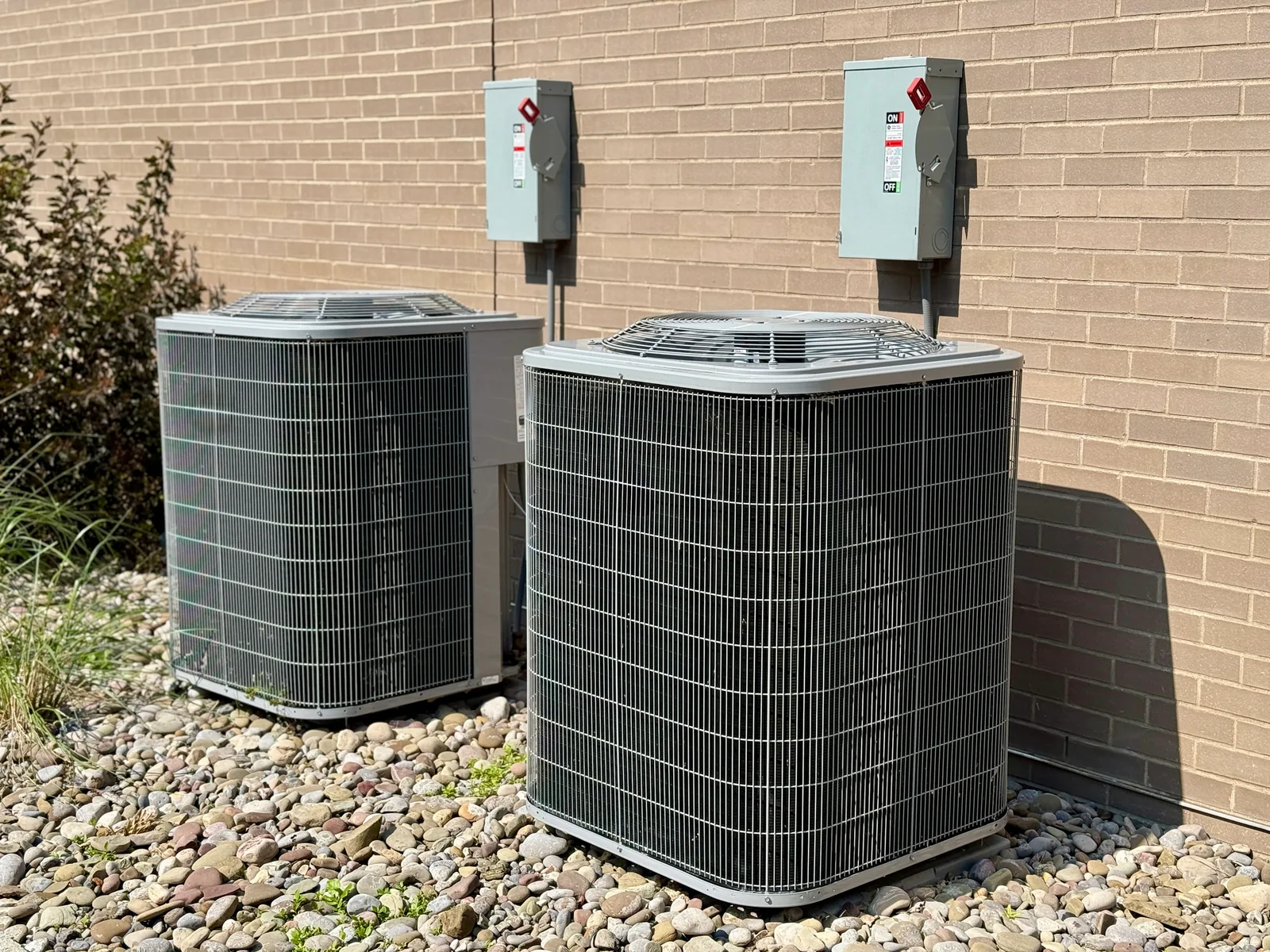
A heat pump moves heat in or out of the house depending on valve position and compressor run state. In cooling, the outdoor coil should reject heat and the indoor coil should feel cold during long runs. If the outdoor cabinet runs steadily yet indoor air never cools down, reversing valve or charge issues belong in professional testing.
Listen for the outdoor fan on a hot afternoon. Feel supply registers after twenty minutes of continuous run. Ice on the indoor coil, water in the emergency pan, or a breaker that trips once per day are signs to schedule service rather than keep adjusting the thermostat.
Clear debris within two feet of the outdoor cabinet before you log symptoms. Restricted airflow raises head pressure and weakens cooling performance on every mode. For cabinet walks see outdoor unit clearance before peak heat as a companion check, not a substitute for mode verification.
Central air conditioning only systems follow a simpler map: if you do not have a heat pump label on the outdoor unit, mode confusion usually lives at the thermostat or in zoning controls, not a reversing valve. Read cooling services when your equipment is cooling only and the symptom is weak airflow or short cycles instead.
Photo the thermostat screen showing mode, the equipment nameplate, and one supply register reading in plain language (cool, lukewarm, weak flow). Those three notes shorten phone triage across Taylor County routes.
Filters and humidity still matter on heat pump cooling calls
Wrong mode is not the only reason a heat pump feels lazy in summer. A loaded filter raises resistance and can reduce latent removal even when cooling mode is correct. Change media on the interval your label prints. Hold used media to light; if light barely passes, change early.
Sticky air after long runs may need dehumidification help beyond what the primary coil provides on marginal afternoons. Review dehumidifier repair and installation when fabrics stay damp while the thermostat number looks acceptable.
Condensate volume rises on long cooling days regardless of equipment type. Slow drains can cut runs short or trip floats. Pair mode checks with condensate drain checks after heavy cooling weeks when water or gurgling appears at the air handler closet.
Guest wings and shop spaces on the same heat pump need open doors and clear return grilles during your mode test. Closed interior doors change what the central thermostat sees. That habit check costs nothing and often belongs before any mechanical diagnosis.
After a fresh filter and a confirmed cool mode afternoon, if comfort still drifts, schedule service with your notes attached. Technicians can read amps, test valve operation, and verify charge instead of guessing from the wall display alone.
When to schedule heat pump service in Taylor County
Book through contact when explicit cool mode still delivers lukewarm supply at multiple registers, when auxiliary heat indicators stay on during cooling tests, or when ice and water appear at the indoor unit. Bring mode screenshots, filter size, and equipment photos.
Add heating repair and installation to your reading list when winter comfort on the same unit also drifted last season. Dual season history helps technicians connect valve, defrost, and control issues faster.
Mini split heat pumps use different controls than central ducted systems. If only one head misbehaves while others cool fine, see mini split repair and installation instead of forcing central thermostat changes that never reach that zone.
Browse service areas for towns we serve across Taylor County. Return to main blog for checklist and quiz guides published the same week when mode checks pass but comfort still drifts.
Early season mode and filter corrections cost less than running auxiliary heat through a humid afternoon by mistake. A twenty minute wall control review before the longest hot weeks beats an emergency call when every room feels off at once.