First phase: outdoor cabinet, power, and filter access
Before you call for cooling service, walk what you can safely reach in two phases. Phase one stays outside and at filter doors. Phase two moves indoors to registers and the thermostat. The goal is a short written record technicians can use, not a repair attempt behind sealed panels.
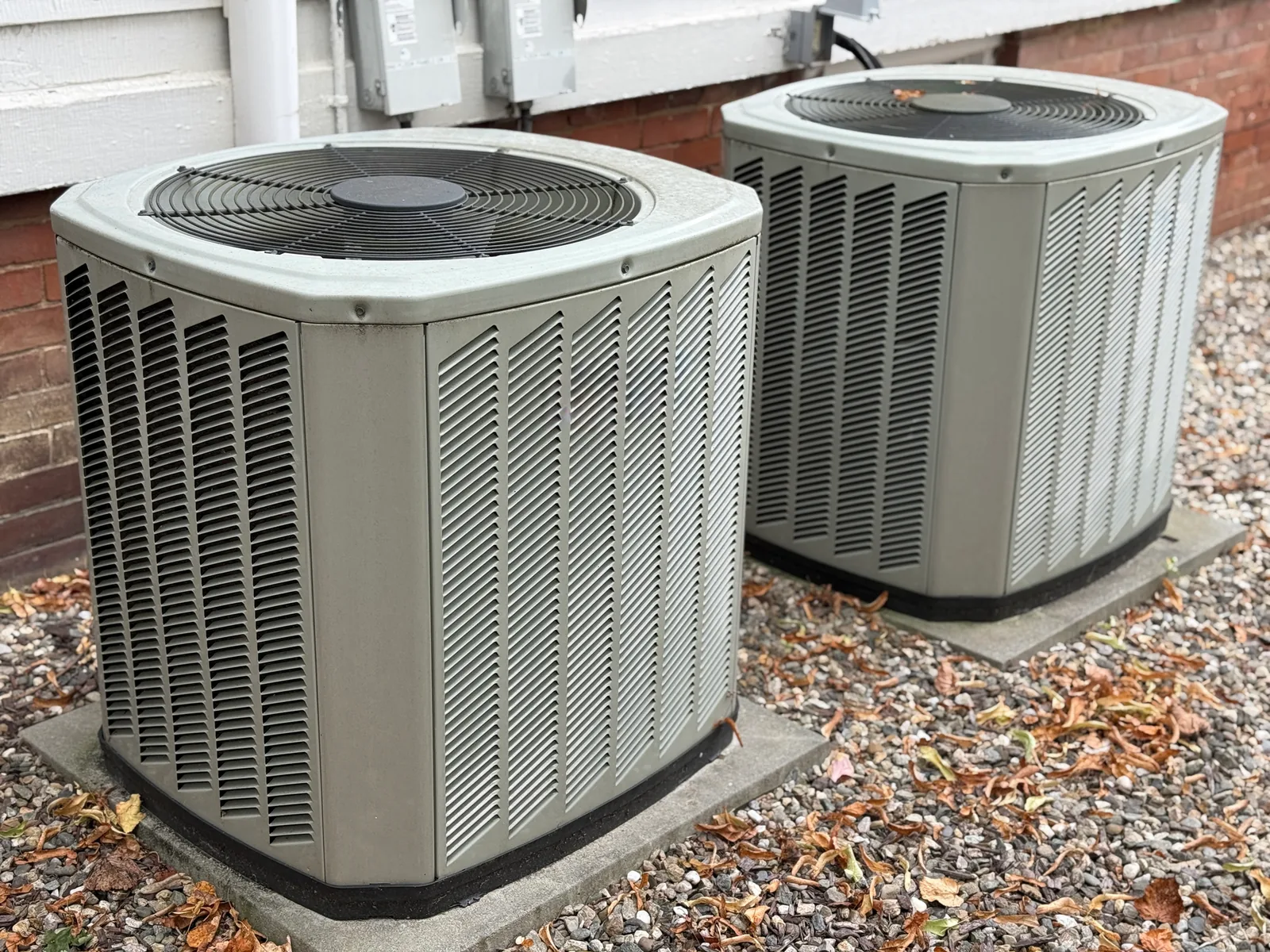
Start at the outdoor cabinet on a day when air conditioning has run at least thirty minutes. Listen for steady fan hum, not clicking or buzzing that starts and stops every few seconds. Note whether the top fan spins and whether air exits the grille warm compared to outdoor air.
Clear hoses, tools, and stacked pots from within two feet of the cabinet if you can do so without climbing on equipment. Grass clippings and vines against the coil raise head pressure and weaken indoor comfort over long afternoons across Taylor County.
Confirm the disconnect or breaker labeled for the outdoor unit is on if your home uses a visible switch. Leave electrical panels closed if labels are missing or breakers are not clearly marked. Write "power unknown" instead of guessing.
Walk every indoor filter access point on the same pass. Note filter size printed on the old media, date of last change if you know it, and whether the slot looks bent or gaps let air bypass the filter. Vacuum return louvers gently before inserting new media when dust cakes the grille.
Phase one ends with outdoor notes, filter notes, and one photo of the equipment label if lighting allows. Attach those to your message when you use contact so scheduling starts with facts instead of a vague comfort complaint.
First phase: what belongs on your written snapshot
Use a simple list: outdoor fan running yes or no, debris within two feet yes or no, filter changed this month yes or no, ice or water visible at the indoor closet yes or no. Short answers beat long paragraphs without timestamps.
If you share a shop wing or guest room on the same system, note whether those zones were open or closed during the walk. Closed doors change return paths on single thermostat homes and can mimic equipment failure in one room only.
Explore cooling services to match symptoms to the right service. Central air conditioning, ductless heads, and heat pumps share outdoor hardware but fail in different patterns indoors.
Heat pump owners should glance at the wall mode indicator during phase one planning. Cooling mode should be active on hot afternoons. Heating mode on a warm day sends the wrong comfort signal through the whole house. Read heat pump repair and installation when mode settings confuse you after mild weeks.
Do not open refrigerant lines, capacitors, or control boxes during phase one. Labels on the cabinet are enough for phone triage. Anything requiring tools inside the outdoor unit belongs on the technician visit list.
When phase one already shows ice on the indoor coil, water in the emergency pan, or an outdoor fan that never spins, stop and schedule measured help. Continuing aggressive thermostat setbacks against those signs wastes time and can widen damage.
Second phase: registers, returns, and room by room notes
Phase two happens inside after filters are checked or changed. Hold your hand at each supply register while the system runs. Mark rooms with weak flow, rooms that feel fine, and any register that blows warmer than others on the same afternoon.
Check return paths next. Move storage off return walls. Keep pet beds and laundry baskets from blocking low grilles. On single zone layouts, crack interior doors where privacy allows so air can loop back toward the central return during your test.
Compare the thermostat reading to how the room feels where you spend the most time. A satisfied wall display with one hot bedroom often traces to sun load, duct length, or closed doors rather than total system failure. Note which room disagrees with the sensor.
Review air duct repair when one branch stays weak after a fresh filter and open louvers. Ask about air duct cleaning when puffs of dust exit a register whenever the blower kicks on.
Stand near the return grille during active cooling. If the house wide return feels wrong, not just one room, read warm return vent checks for return specific clues separate from this checklist.
Phase two should finish with a room list: strong flow, weak flow, warm supply, musty odor, or no air. That list shortens the first technician visit more than a single temperature reading from one spot.
Second phase: thermostat settings and humidity clues
Write the current setpoint, whether hold or schedule is active, and whether any remote sensor drives the call. Large setbacks that require hours of continuous run can leave distant rooms hot even when equipment is healthy. Steady setpoints often stress the outdoor unit less on long rural duct runs.
Close blinds on west windows before your walk if the test happens mid afternoon. Note whether sticky air persists after reasonable run time. Dehumidification needs differ from plain temperature calls. See dehumidifier repair and installation when clamminess remains after the coil has run.
Smart thermostat wiring and sensor placement questions belong on thermostat repair and installation when the wall unit does not match how your family occupies rooms during the day.
If reasonable phase one and phase two steps do not change the symptom across two similar hot afternoons, schedule service. Bring photos, filter size, equipment label, and your room list. Technicians solve patterns faster when notes match real weather instead of one memory from last week.
Properties near Perry and across Shady Grove often mix metal and flex ducts through attics that heat up by late afternoon. Note time of day on every room entry so technicians can separate duct gain from mechanical faults.
Return to main blog after your walk for deeper guides on specific symptoms you flagged during phase two.
Turning your notes into the right service call
Match your notes to the right service before you call. Weak flow house wide after a new filter points toward blower or coil testing through air conditioner repair and installation. One weak branch with acceptable rooms elsewhere points toward duct repair or balancing.
Isolated heads in a guest wing need mini split repair and installation when the central system never served that addition well. Describe which equipment type feeds the problem zone.
Heating and cooling overlap on heat pump systems when mode or auxiliary heat stages misfire. Add heating repair and installation to your reading list when warm air arrives at registers during a cooling call.
Indoor air quality assessment fits when your notes include odor, allergy spikes, or visible mold near registers. Comfort and air quality often share duct leakage paths in older rural homes.
Use contact with phase one and phase two lists attached. Browse service areas if you need confirmation that your road is on a regular route. Outdoor clearance detail lives in outdoor unit clearance guidance when phase one flagged debris you cleared but comfort still drifts.
Refrigerant, electrical, and panel work belong on a scheduled service visit. These homeowner steps stay inside filter access, registers, shade, debris clearance, and written notes for the first visit.