Warm return air is a different clue than weak airflow at one vent
You stand near the return grille while the outdoor unit runs. The air pulling in feels warm, not like the cool draft you expect. Supply registers may still feel acceptable, yet the return tells a different story across Taylor County. Warm return air during active cooling is not the same as one hot bedroom or condensation on a humid morning.
This guide focuses on what that warmth can mean, what you can check without opening panels, and when measured help belongs on the calendar. See also how humidity stresses air conditioners and whole house dehumidifier options.
Compare how the return grille feels on a mild morning versus a hot afternoon when attic load peaks. The same grille can tell different stories across one day.
Move storage off return walls and keep pet beds from blocking low returns. Starved paths pull warmer room air even when the coil is working.
Listen for whistling at the grille face when doors are closed. Hall mixing matters on single zone layouts more than many homeowners expect.
Vacuum return louvers gently before inserting new filter media. Surface dust loads faster after travel weeks and crowded closets reopen.
Note whether supply registers feel acceptable while the return still feels warm. That split helps technicians separate duct issues from coil or refrigerant questions.
Change the filter before you chase bigger problems
A loaded filter restricts airflow across the coil. House air sits longer in rooms, mixes with sun load, and arrives back at the grille warmer than you expect even while the outdoor unit hums.
Change media on the interval your equipment maker prints. Hold a used filter to a light source. If light barely passes, change early. Vacuum return louvers gently before inserting new media.
Explore weak airflow across the house when every supply feels soft after a fresh filter. Browse cooling services for the full cooling service map.
Ice on the indoor coil or warm supply at multiple vents are stop points for licensed testing. Filter changes alone will not fix those patterns safely.
Write dates and times before you call. Two hot afternoons of notes beat a single memory when scheduling cooling service.
Keep interior doors cracked where privacy allows so air can loop back to central returns. Closed bedroom doors often starve the path the thermostat assumes is open.
Clear two feet around the outdoor cabinet after weekends when hoses and tools lean against the grille. Outdoor rejection affects indoor cycle warmth.
Schedule measured help when safeties trip, when warm supply appears at multiple vents, or when the return feels warmest exactly when the outdoor unit short cycles.
Return leaks that pull attic air into the stream
Many homes move return air through paths that pass through hot attic spaces. If a boot is loose or flex is crushed, the grille can feel warm even when the coil is doing its job.
Listen for whistling at the grille face. Compare how the grille feels on a mild morning versus a hot afternoon when attic load peaks.
Review why air ducts matter for comfort math behind return paths. Ask about air duct repair when boots are disconnected or flex is damaged.
Explore duct repair pages when boots near the air handler look disconnected or flex is crushed. Return leaks pull attic air into the stream on many homes.
Ask about maintenance plans when testing shows equipment is restricted but still safe to tune. Replacement conversations should follow measured data, not guesswork.
Return to more comfort guides on this site after you log symptoms. Good notes shorten the first visit for every party.
Nothing here replaces licensed service when electrical or refrigerant faults are suspected. Homeowner steps stop at safe visual checks and filter access.
Photo the grille and filter slot in good light if you plan a service call. Technicians start faster when they know what media size and return type you have.
Door paths and starved returns on single zone systems
Single zone homes cool from one thermostat while doors open and close all day. Closed bedroom doors can starve a central return that depends on hall mixing.
Crack interior doors enough that air can loop when privacy allows. Move storage off return walls. Keep pet beds from blocking low returns.
Read one warm room on central cooling when one room always lags while the return feels warm. Compare with uneven cooling in a hot room for uneven cooling patterns.
Pair outdoor clearance walks with indoor return checks on the same calendar pass. Split visits miss the overlap that hot afternoons create.
When one room always lags while the return feels warm, uneven cooling guides on this site help you separate door habits from duct damage.
Financing and contact pages are there when testing shows replacement makes more sense than another season on restricted equipment.
Write down dates, times, and symptoms before you call. Technicians solve patterns faster when notes match real afternoons instead of vague comfort complaints.
Photo the affected area in good light and note whether the issue repeats at the same time of day two days in a row. Repetition matters more than a single snapshot.
Outdoor coil clearance still affects indoor comfort
A restricted outdoor coil cannot reject heat efficiently on long afternoon runs. The indoor coil may run warmer cycles, and rooms may drift even while the system never shuts off.
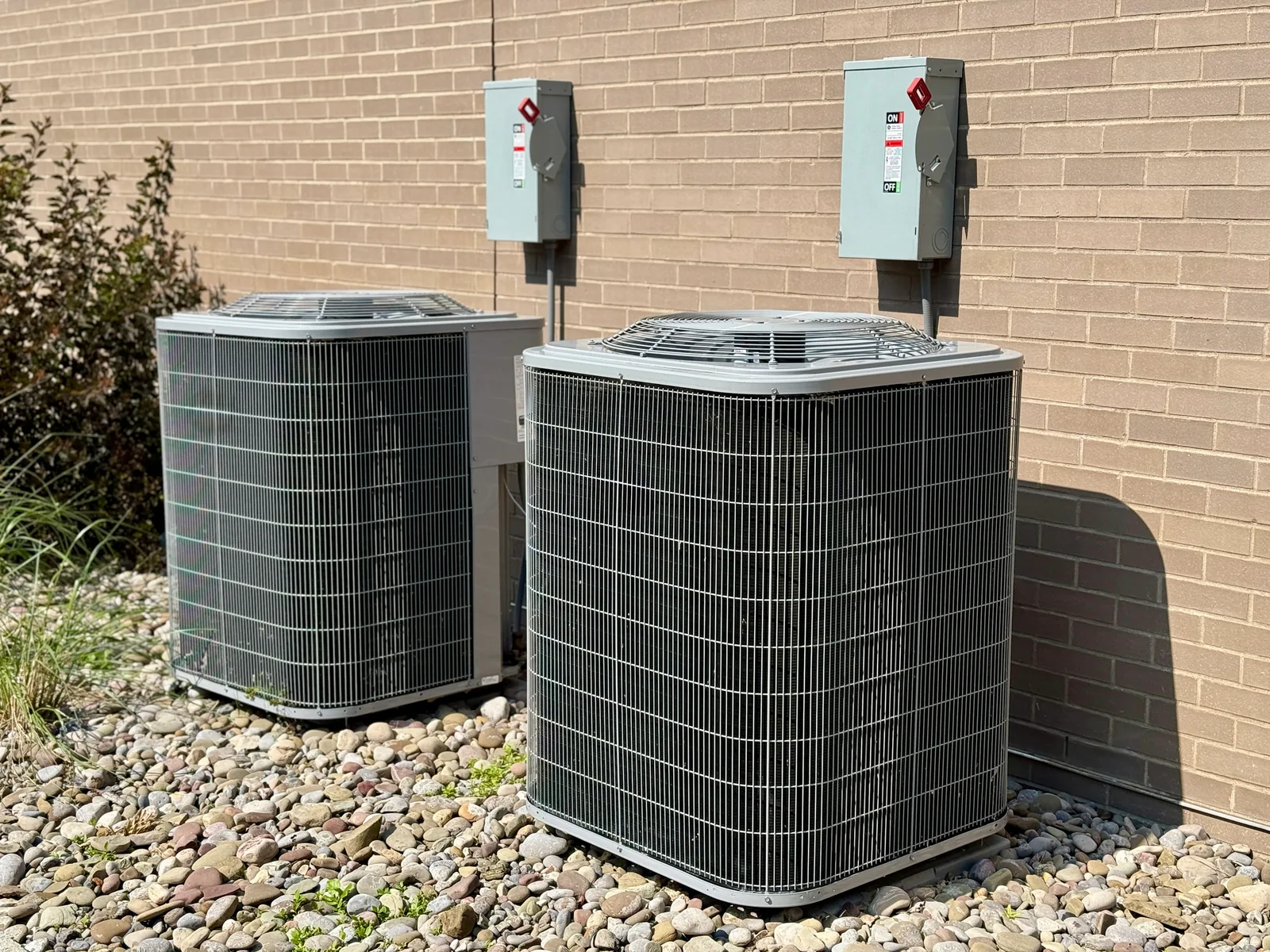
Clear two feet around the outdoor cabinet where landscaping and stored gear allow. Lift hoses and yard tools that lean on the grille after weekends.
Pair outdoor walks with outdoor unit clearance before peak heat when both belong in the same conversation. Our team serving Perry documents both sides during maintenance visits.
Seasonal load changes how equipment behaves. What looked fine during mild weeks can appear once every zone runs together on a long hot afternoon.
If reasonable homeowner steps do not change the symptom, schedule measured help before the next busy weekend compresses your calendar.
Keep a simple log for two days that share similar weather. Short notes beat long emails without timestamps.
Bring photos and appliance lists to the first visit. Clear context prevents repeat trips for missing details.
Explore related service pages on this site when symptoms touch more than one system. Overlap is common on hot afternoons.
When warm return air points to measured testing
Sometimes warmth follows coil condition, refrigerant performance, or blower issues filters cannot fix. Ice on the coil, warm supply at multiple vents, or safeties that trip on hot afternoons belong in licensed testing.
Schedule through contact with notes on when the grille felt warmest. Ask about financing when testing shows replacement makes more sense than another season on restricted equipment.
Return to main blog for more Taylor County comfort guidance from Advanced Air.
Return to more articles on this site after you document what you found.
Licensed professionals should evaluate safety concerns immediately. Homeowner checks stay within safe visual and filter tasks.
Maintenance before peak weeks costs less than emergency calls when guests arrive or storms stack on the calendar.
Compare morning versus afternoon behavior when symptoms feel inconsistent. Time of day notes shorten diagnostics.
Ask about financing or maintenance plans when testing shows upgrades make more sense than another season on aging equipment.