Why condensate volume rises on long cooling days
Short spring cycles test the condensate path lightly. Long hot afternoons test it hourly across Taylor County. The primary drain line should carry water away from the pan without bubbling at the closet door.
This guide focuses on drain checks, not thermostat habits alone. See also warm return vent checks and AC drain line checks.
Look at the air handler on a day when cooling has run several hours. Primary lines should drip freely and emergency pans should stay dry.
Gentle vacuuming around accessible drain outlets belongs in homeowner care only when labels allow safe reach. Stop if fittings feel brittle or panels require tools you do not have.
Slow drains after reasonable clearing point to coil channels homeowner tools cannot reach. Schedule service before ceiling stains spread.
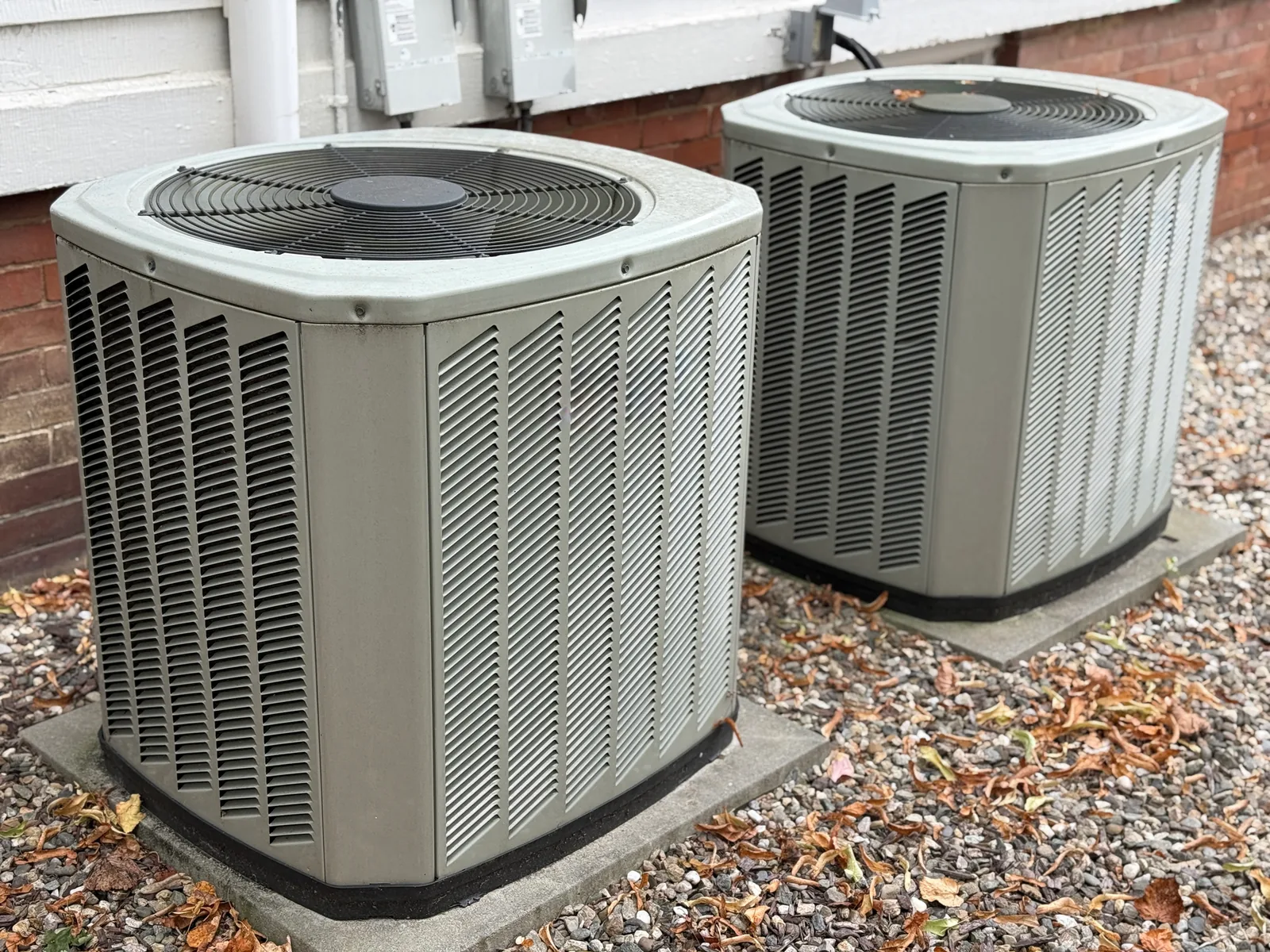
Outdoor coil clearance affects indoor condensate volume. Warm coil cycles produce more water even when the drain path is the real restriction.
Guest wings and shop zones on the same system need drain checks when those areas wake up after travel. Condensate volume jumps when every zone runs together.
Primary drain paths and the overflow pan that should stay dry
Split systems rely on a primary condensate line that exits toward a floor drain, sink tailpiece, or exterior termination. A secondary pan exists so water has somewhere to go if the primary path blocks.
Look at the air handler on a day when cooling has run for several hours. Confirm the primary line drips freely and that the emergency pan stays dry.
If water appears at the secondary port, stop forcing more cooling and schedule service through contact before ceiling damage starts.
Ice on the coil or warm supply at multiple vents belong in measured testing, not repeated bleach pours at the drain cup.
Odor or allergy spikes with drain symptoms may involve duct boots near the air handler. Note both when booking service.
Tune up visits before traffic spikes catch restricted drains early. Maintenance beats emergency pans filling on a Friday evening.
Photo the drain outlet and pan area in good light for service requests. Clear images reduce guesswork on phone triage.
Compare primary and secondary paths during one long cooling day. Intermittent drips at the wrong port are urgent, not watch and wait items.
Clearing algae and dust at accessible fittings
Fine dust can mat at drain fittings while the coil still looks clean from the register side. Gentle vacuuming around the drain outlet belongs in homeowner care only when labels and access allow safe reach.
When slow drains persist after reasonable clearing, book service through air conditioner repair. Browse cooling services for how indoor and outdoor sides work together.
Mini split condensate routes differ from central systems. Use the service path that matches your equipment type when symptoms localize to one head.
Keep storage away from air handler closets so pans stay visible during service visits. Hidden pans fill silently until ceiling damage appears.
Schedule through contact pages when water appears at secondary ports. Continuing heavy cooling on a blocked primary path risks property damage.
Return to blog guides when grille moisture appears before water shows at the drain. Early clues shorten repairs.
Licensed technicians should evaluate repeated algae blocks when clearing lasts only days. Internal coil condition may need professional treatment.
Outdoor clearance affects indoor drain performance
A restricted outdoor coil cannot reject heat efficiently. Warmer indoor coil cycles can increase condensate volume even when the drain path is the real restriction.
Clear space around the outdoor cabinet. Outdoor clearance complements indoor drain checks. Explore mini split repair when zones serve guest wings or shops.
Write down dates, times, and symptoms before you call. Technicians solve patterns faster when notes match real afternoons instead of vague comfort complaints.
Photo the affected area in good light and note whether the issue repeats at the same time of day two days in a row. Repetition matters more than a single snapshot.
Seasonal load changes how equipment behaves. What looked fine during mild weeks can appear once every zone runs together on a long hot afternoon.
If reasonable homeowner steps do not change the symptom, schedule measured help before the next busy weekend compresses your calendar.
Keep a simple log for two days that share similar weather. Short notes beat long emails without timestamps.
When drain symptoms point to coil or duct service
Sometimes slow drains follow coil condition or blocked internal channels homeowner clearing cannot reach. Ice on the coil or warm supply at multiple vents belong in measured testing.
Review air duct repair when boots are disconnected near the air handler. Explore indoor air quality assessment when drain issues come with odor or allergy spikes.
Schedule tune up visits through schedule service before traffic spikes. Return to main blog and browse about for more guidance. Read Perry service area when grille moisture leads before water shows at the drain.
Bring photos and appliance lists to the first visit. Clear context prevents repeat trips for missing details.
Explore related service pages on this site when symptoms touch more than one system. Overlap is common on hot afternoons.
Return to more articles on this site after you document what you found.
Licensed professionals should evaluate safety concerns immediately. Homeowner checks stay within safe visual and filter tasks.
Maintenance before peak weeks costs less than emergency calls when guests arrive or storms stack on the calendar.