Midsummer kitchen load is different from a mild spring week
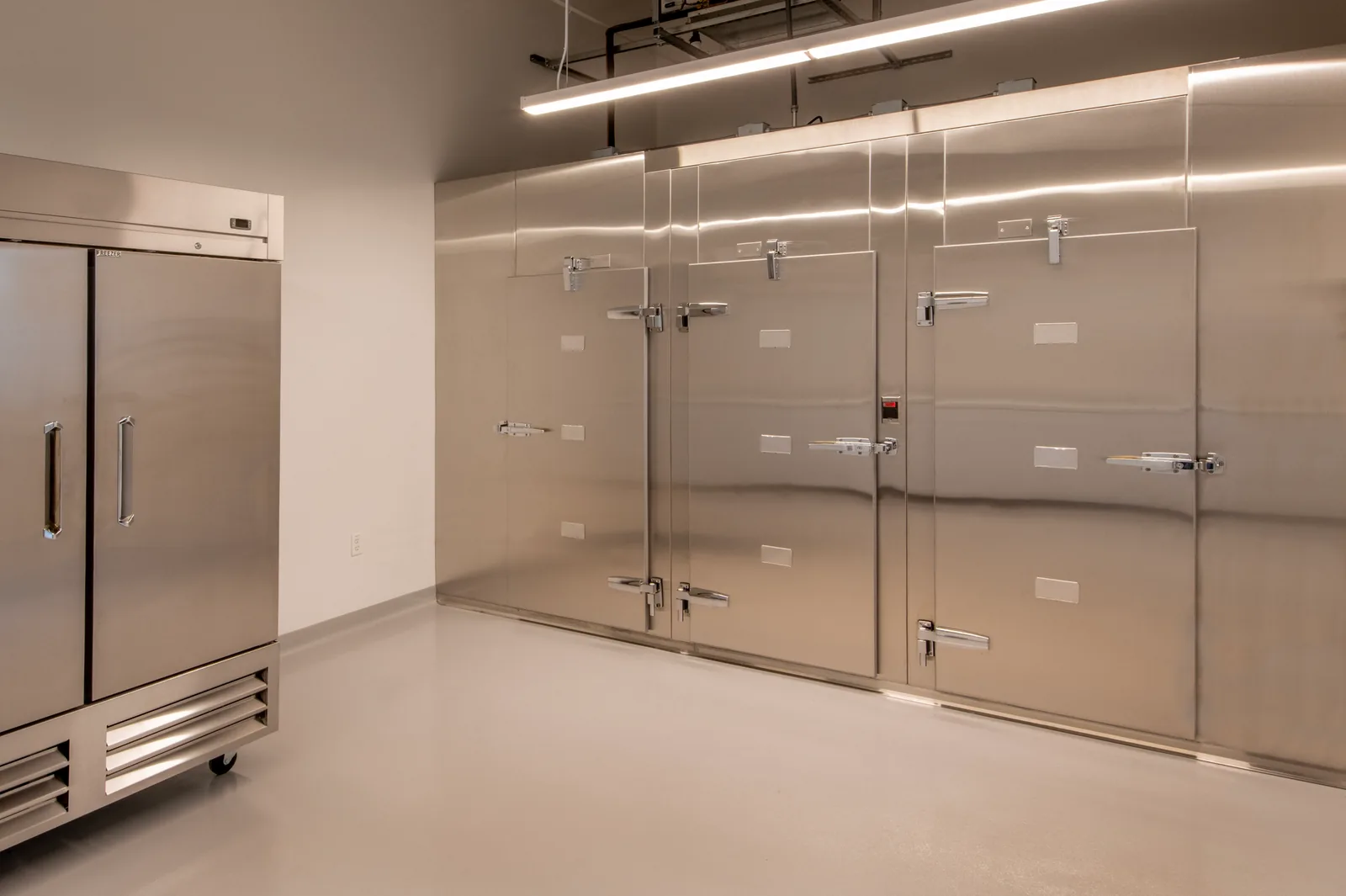
Perry restaurants, markets, and food service kitchens run walk-ins and reach-ins through long hot afternoons. Door opens stack up during prep and lunch. Outdoor condensers sit in heat that already climbed through the morning. Product temperatures that held fine in May can drift when July door traffic and ambient load arrive together.
That pattern is not the same as a residential heat pump stuck in the wrong mode or a homeowner filter checklist. Those July topics on this site stay on house cooling. Here the question is commercial refrigeration under kitchen heat, sticky door seals, and condensers that need clear airflow while the kitchen stays busy.
Walk the box on a day when you already see the thermometer climb after a rush. Note door count during peak hours, whether seals look flat or cracked, and whether the condenser area is free of boxes and cardboard. Write those three notes before you change setpoints or call for service.
Advanced Air started as a refrigeration company and still serves commercial boxes across Taylor County routes. Towns like Perry, Shady Grove, and the wider service areas list share the same midsummer kitchen pattern: more opens, hotter pads, less margin for a weak gasket.
Browse refrigeration services for the full commercial scope, then read walk-in cooler and freezer repair and installation when the box itself is the story. Keep house cooling questions on cooling services so the right team shows up with the right tools.
Door seals and traffic habits you can see without tools
Every open door dumps kitchen heat and humidity into the box. Soft or torn gasket corners leave a gap even when the door looks closed. Run a dollar bill or thin paper along the seal if your staff already uses that habit. If the paper slides free with no drag, the seal is not gripping.
Watch how staff prop doors during busy prep. A door left cracked for ten minutes during a rush costs the box more recovery time than three quick trips. Train for short opens when you can. Note which shift sees the warmest product temps. Timing often tracks door habits more than a mysterious overnight failure.
Frost patterns near the door frame can point to warm air infiltration. Ice on the evaporator alone can mean other issues. Photograph what you see at the gasket line and at the evaporator face before the technician arrives. Those photos shorten triage on a hot afternoon route.
Reach-in cases near cook lines take radiant heat from ranges and fryers. Walk-ins near loading doors take outdoor humidity every time freight arrives. Name which box drifted and which nearby heat source sits closest. That context belongs on your service note for commercial refrigeration repair and installation.
If only one reach-in drifts while the walk-in holds, treat them as separate systems. Shared kitchen stress does not always mean a shared mechanical root. Separate notes keep the visit focused.
Condenser clearance and outdoor heat on the pad
Remote condensers and rooftop packages reject heat outdoors. Midsummer air already sits hot. Stacked cardboard, grease filters waiting for pickup, and parked carts against the coil raise head pressure and slow pull-down after door traffic.
Clear two feet around the condenser when you can do so without climbing or opening electrical panels. Note whether the fan spins during a call for cooling. Warm air leaving the grille is expected. No airflow or a fan that never starts belongs on the service call list, not on another setpoint change.
Grease and dust from kitchen exhaust can coat coils faster than residential outdoor units see. If your pad sits near a grill hood discharge, mention that when you schedule. Coil cleaning and charge checks belong on a measured visit, not on a casual hose spray that can bend fins.
House cooling posts on this site talk about condenser clearance for home air conditioning. The same clearance idea applies to commercial pads, with higher ambient and dirtier air. Read outdoor unit clearance before peak heat for the home version, then keep commercial notes tied to refrigeration pages.
Interior kitchen air conditioning that fails on the same afternoon as a warm walk-in can stack load on staff and product. If the dining room cooling also struggles, add air conditioner repair and installation to the conversation as a separate system, not as a substitute for box service.
Setpoints, alarms, and what to log before you call
Write the setpoint, the actual box temperature during the rush, and the recovery temperature an hour after doors calm down. A box that recovers overnight but drifts every lunch rush often needs seal, door, or condenser attention more than a random deep freeze setpoint change.
Alarm logs and digital controllers help when they are readable. Note error codes exactly as displayed. Do not clear alarms until someone photographs them. Cleared codes without photos slow the first visit.
Product placement matters. Hot pans parked against the evaporator or blocking return air inside the box force longer run times. Leave airflow paths clear inside the walk-in the same way you keep the outdoor condenser clear.
Compare with residential thermostat confusion only if you also run heat pumps on site offices. Kitchen boxes use different controls. Keep office comfort on thermostat repair and installation and box issues on refrigeration pages.
When ice builds on the evaporator and the box still warms during the day, stop stacking more product against the coil face. Schedule service with photos of ice, gasket corners, and the outdoor condenser area. That package beats a vague call that the cooler feels warm.
When to schedule refrigeration service in Taylor County
Book through contact when box temperature drifts through a busy hot day after you checked seals and cleared the condenser area, when ice patterns look new, or when a fan never starts on the outdoor pad. Bring gasket photos, setpoint notes, and which shift sees the worst drift.
Add about if you want company background, and financing if equipment age raises replacement questions during the visit. Those pages sit ready when the technician finishes testing.
Coastal and inland kitchens along the Big Bend share humid outdoor air that makes door opens cost more recovery time. Keaton Beach and inland Perry routes differ in salt air exposure on outdoor hardware. Mention your town when you schedule so route notes match the pad conditions.
Return to main blog for residential cooling quizzes and checklists when the house side of a mixed property is the problem. Keep this post bookmarked when the walk-in or reach-in is what failed to keep pace with a busy midsummer kitchen.
Short door habits, honest gasket checks, and a clear condenser pad solve many warm-box afternoons before parts enter the picture. When those steps do not restore pull-down, measured refrigeration service is the next step, not another blind setpoint change.