Start with the job each unit performs
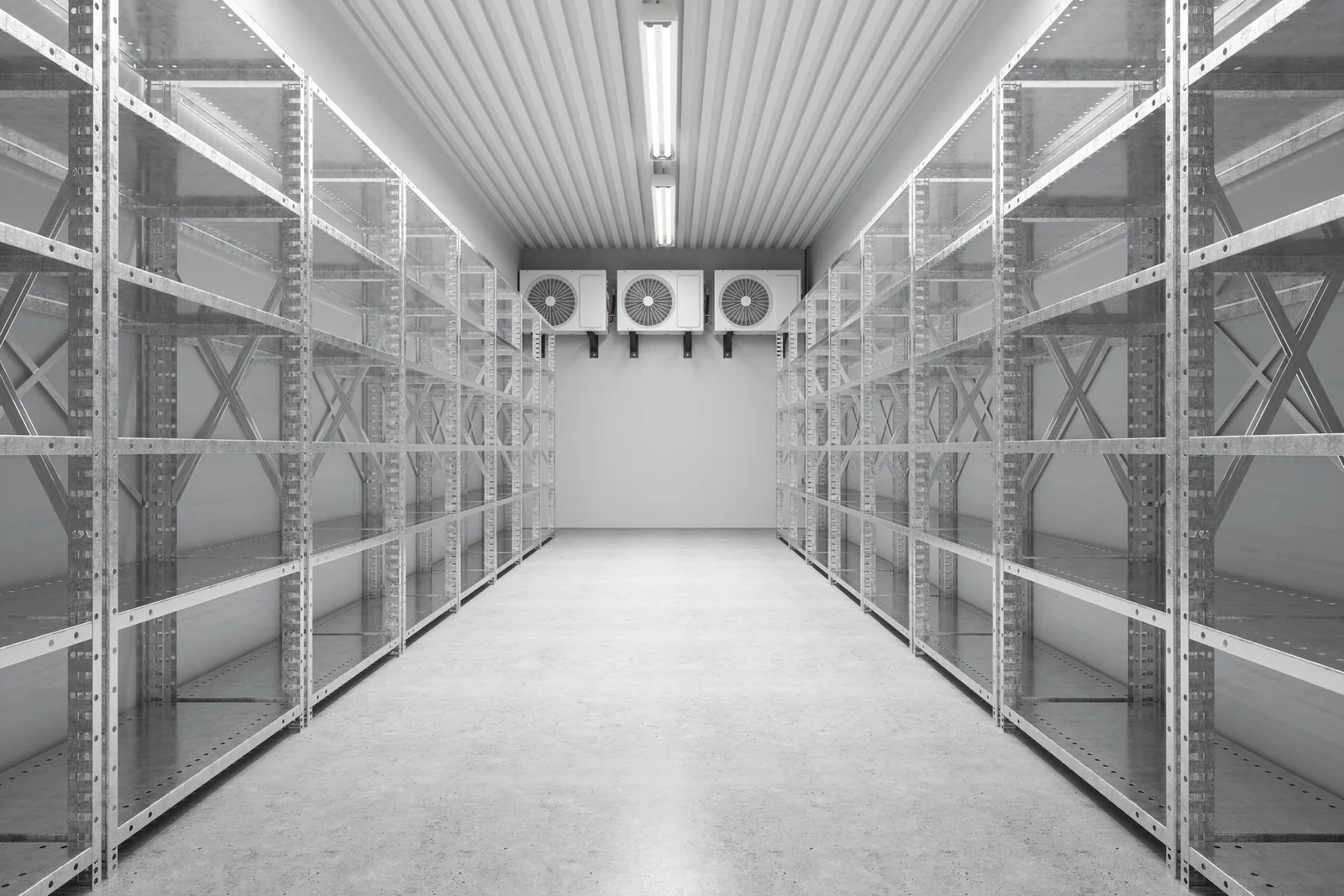
The walk-in cooler usually receives the most attention because it stores the largest amount of product. It is also only one part of the restaurant refrigeration system. A kitchen can have a perfectly cold walk-in while a prep table struggles through lunch, an under-counter cooler runs continuously, a display case develops condensation, or an ice machine produces less than the operation needs.
We service walk-in coolers and freezers, reach-ins, under-counter units, prep tables, sandwich units, line coolers, display cases, merchandisers, ice machines, beverage coolers, temperature alarms, controls, and remote condensing units across Taylor County. Managing all of that as one general category makes smaller problems easy to miss. A better approach is to understand what each piece of equipment is responsible for and track it separately.
A walk-in and a prep table may both keep food cold, but they operate in very different conditions. The walk-in stores product behind an insulated door. A prep table sits directly on the line, gets opened constantly, and may sit next to cooking equipment. A reach-in may serve employees throughout the day. A display case has to hold temperature while presenting product through glass. An ice machine handles water, drainage, freezing, and production volume. Browse our refrigeration services and commercial refrigeration repair and installation pages for the full equipment range we cover.
Each category deserves its own normal operating expectations.
Build a simple equipment list
A restaurant manager should not have to search the kitchen during a service call to remember what equipment exists. Create a basic list with equipment type, location, manufacturer and model, approximate age, normal temperature range, recent repairs, and any recurring symptoms. This does not need to become a complicated facilities database. A one-page sheet or shared spreadsheet can help the manager explain which unit is acting differently and give us a clearer service history.
Labeling the equipment also prevents confusion when employees say the small cooler is warm and the restaurant has four small coolers. Write the label where staff can see it, and keep the same wording on your service notes. Perry kitchens and nearby businesses along routes through Perry and Hampton Springs often share tight footprints with several similar cabinets, so plain labels save time on the first visit.
Measure the line during the rush
A prep table may look fine before opening and struggle once lunch begins. Door and lid activity increases. Warm product may be added. Kitchen temperature rises. Employees may leave drawers slightly open during a rush. Nearby cooking equipment adds heat. We have already covered how heavy door traffic and kitchen heat can push a walk-in during a busy hot day in when your walk-in struggles through a busy hot day. The same operating pressure can be even more concentrated on the line.
Managers should record when the problem occurs. Note the temperature before service begins, the temperature during the busiest period, how often the lid or drawers are opened, whether the unit recovers after the rush, whether one section is warmer than another, any unusual sound or short cycling, and whether product was loaded warm. This history helps separate an equipment problem from a loading or door-management problem without assuming one excludes the other.
Do not let the walk-in hide a weak reach-in
When a reach-in begins running warm, employees may move product into the walk-in and continue working. That is a reasonable temporary response. It can also allow the problem to linger because the restaurant found a workaround. Over time, the walk-in becomes more crowded, staff travel farther for routine ingredients, and the original reach-in remains unreliable.
The same pattern can happen with an under-counter unit or beverage cooler. Track equipment that has been taken out of normal use. A unit that is technically still running but no longer trusted is already affecting kitchen operations. Dedicated walk-in work lives under walk-in cooler and freezer repair and installation, while smaller cabinets stay on the commercial refrigeration page. Keep those notes separate so a crowded walk-in does not hide a reach-in that needs attention.
Ice machines need production notes, not only temperature notes
An ice machine may still produce ice while falling behind the restaurant actual demand. The useful measurement is not simply whether the bin contains ice at eight in the morning. Look at how full the bin is before opening, when the operation begins buying or transferring extra ice, whether production changes after busy weekends, water or drainage around the machine, unusual scale, sound, or cycle changes, and whether the machine recovers overnight.
Those notes give the technician a clearer picture than saying it still makes ice, just not enough. House cooling questions for dining rooms or offices stay under cooling services so the right tools show up for the right system.
Keep door and gasket checks on the restaurant side
Restaurant staff can catch several basic issues without opening equipment panels. Managers can regularly look for doors that do not close cleanly, torn or loose gaskets, product blocking airflow, dirty accessible condenser areas, water on the floor, heavy frost or condensation, temperature changes after loading, and equipment pushed too close to a wall.
Drifting temperatures, ice buildup, sweating doors, failed gaskets, compressor cycling, and drainage problems are common reasons kitchens call for commercial refrigeration service. These checks do not replace professional service. They give the restaurant an earlier warning and a better description when you use contact to schedule.
Plan replacements by operational importance
Two pieces of equipment can be the same age and have very different effects on the business when they fail. A specialty display case may be important to sales. A line cooler may be central to service speed. A walk-in may carry the greatest inventory exposure. An ice machine may be essential to nearly every drink sold.
Rank equipment by operational importance before several units reach replacement age at once. Ask which failure would stop service, which equipment already needs frequent repair, which unit no longer fits the current menu or volume, which replacement would improve kitchen workflow, and which project requires installation planning rather than an emergency swap. We provide repair and installation for both walk-in systems and smaller commercial refrigeration equipment.
Perry and Taylor County businesses can call 850-584-3626 or return to the blog for related kitchen notes. Discuss the complete equipment list instead of waiting for several separate emergencies. Start from our home page if you need the full service overview.