Two temperatures, two different readings
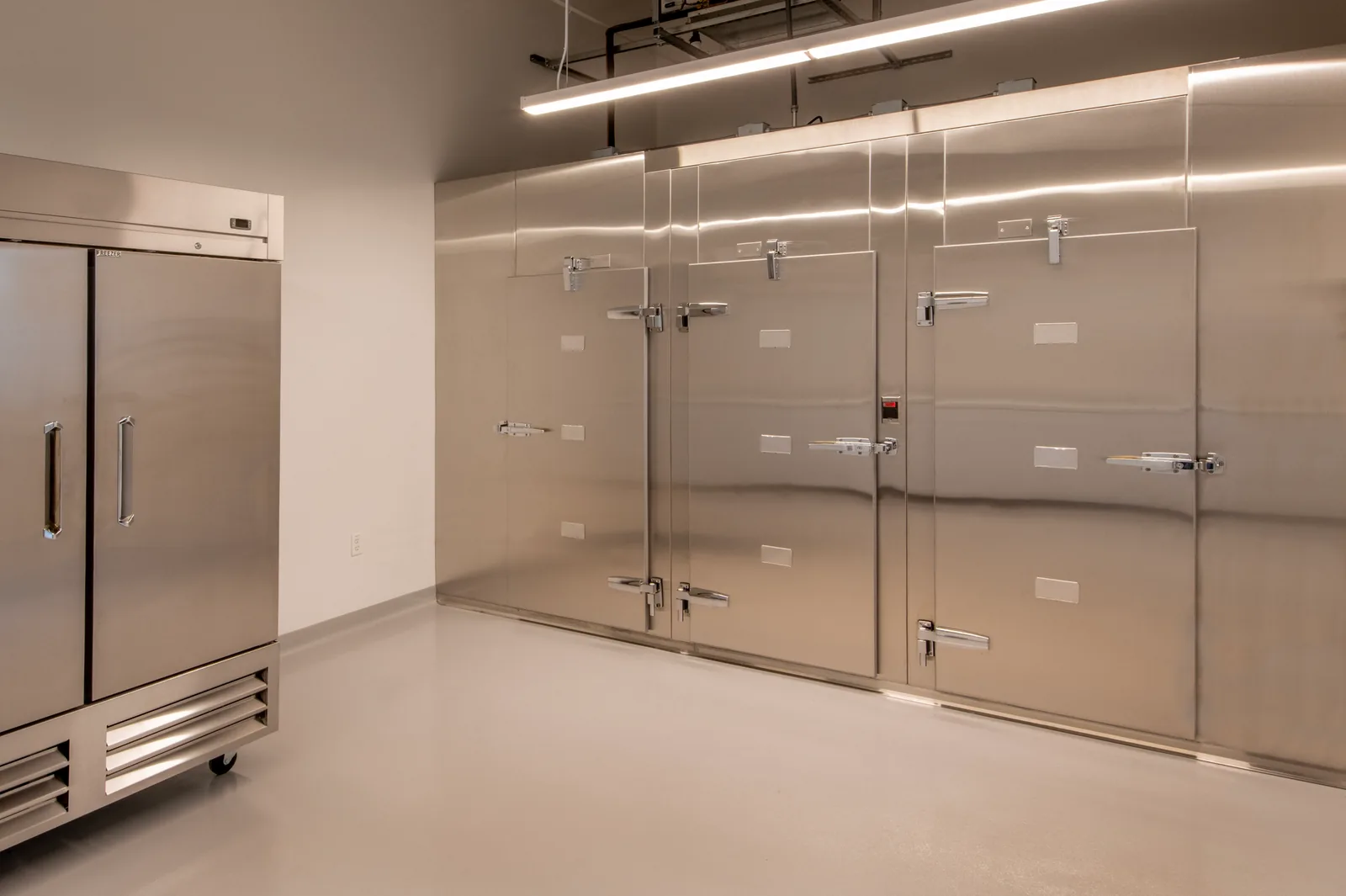
A walk-in can show a cold air reading while the center of a freshly loaded case of product is still warm. Air moves and responds quickly. Dense product changes slowly. During a Perry lunch rush, door opens, warm deliveries, and kitchen heat make that gap wider, which is why one thermometer glance rarely describes the whole box.
We started as a refrigeration company and still service walk-ins, reach-ins, prep tables, and related equipment across Taylor County. When a manager says the cooler is warm, the first clarifying question is which number they mean: circulating air, a probe in product, or a controller setpoint that never matched either one.
Keep house cooling complaints on cooling services. Keep the box on refrigeration services and walk-in cooler and freezer repair and installation so the right tools show up.
Log air and product at the same moment
Capture box air temperature and a product temperature at the same time, then note the clock, the door activity in the last hour, and whether a delivery just landed. A wide photo of the probe location helps. A probe sitting in the evaporator blast reads differently from a probe buried in the middle of a pallet.
Write the setpoint next to both readings. A box set at 36 degrees that shows 38 in the air after a rush and 48 in warm product is a different call from a box that never pulls air below 45. Recovery after the doors calm down matters as much as the worst number of the day.
We already covered door traffic and condenser load in when your walk-in struggles through a busy hot day. This post sits beside that one: same kitchen stress, sharper focus on which temperature you trust before you change setpoints or call.
Door openings, warm loads, and gasket condition
Every open door dumps kitchen heat and humidity into the box. Soft or torn gasket corners leave a gap even when the door looks closed. Staff who prop the door during prep can keep product warm long after the air sensor recovers.
Warm product loaded against the evaporator or blocking return air inside the walk-in forces longer run times. Leave airflow paths clear the same way you keep the outdoor condenser clear of cardboard and grease filters waiting for pickup.
Photograph gasket corners, the evaporator face, and the outdoor condenser area when you schedule. Those images shorten triage for commercial refrigeration repair and installation across routes through Perry and nearby towns on our service areas list.
Defrost, drainage, and evaporator airflow
Defrost cycles temporarily change coil condition and can confuse a single snapshot. Note whether the warm reading happened during or right after a defrost. Standing water, ice bridges, or weak evaporator airflow belong in the same log because they change how the box recovers after door traffic.
Do not clear alarm codes until someone photographs them. Do not pour unknown chemicals into drains that need measured service. Homeowner and manager steps stop at observation, gasket checks, clearance around the condenser, and clear notes about loading habits.
If only one reach-in drifts while the walk-in holds, treat them as separate systems. A crowded walk-in used as overflow storage can hide a weak reach-in that still needs its own visit, a pattern we also discuss in managing restaurant refrigeration beyond the walk-in.
What to put on the service request
Send air temperature, product temperature, setpoint, time of day, recent deliveries, door habits, gasket photos, and condenser clearance notes. Say which box drifted if the kitchen has more than one. Mention whether dining room air conditioning failed on the same afternoon, because kitchen heat stacks when the room side struggles too.
Interior comfort for staff still belongs on air conditioner repair and installation as a separate system. Do not ask a refrigeration visit to explain a warm dining room, and do not ask a house cooling call to explain warm product in the walk-in.
Coastal pads near Keaton Beach see more salt air on outdoor hardware. Inland Perry kitchens see yard heat and grease load. Name your town when you book so route notes match the pad.
When to schedule refrigeration service
Book through contact when product stays warm after doors calm down, when air never recovers to setpoint, when ice patterns look new, or when the condenser fan never starts. Bring the paired temperature log rather than a single vague complaint that the cooler feels off.
Company background is on about. Financing questions during equipment age talks sit on financing. More kitchen and comfort notes live on the blog.
Short door habits, gasket checks, and clear condenser pads solve many warm-box afternoons. When air and product still disagree after those steps, measured refrigeration service is the next move, not another blind setpoint change. Call 850-584-3626 with both temperatures written down.