Start with what the thermostat actually controls
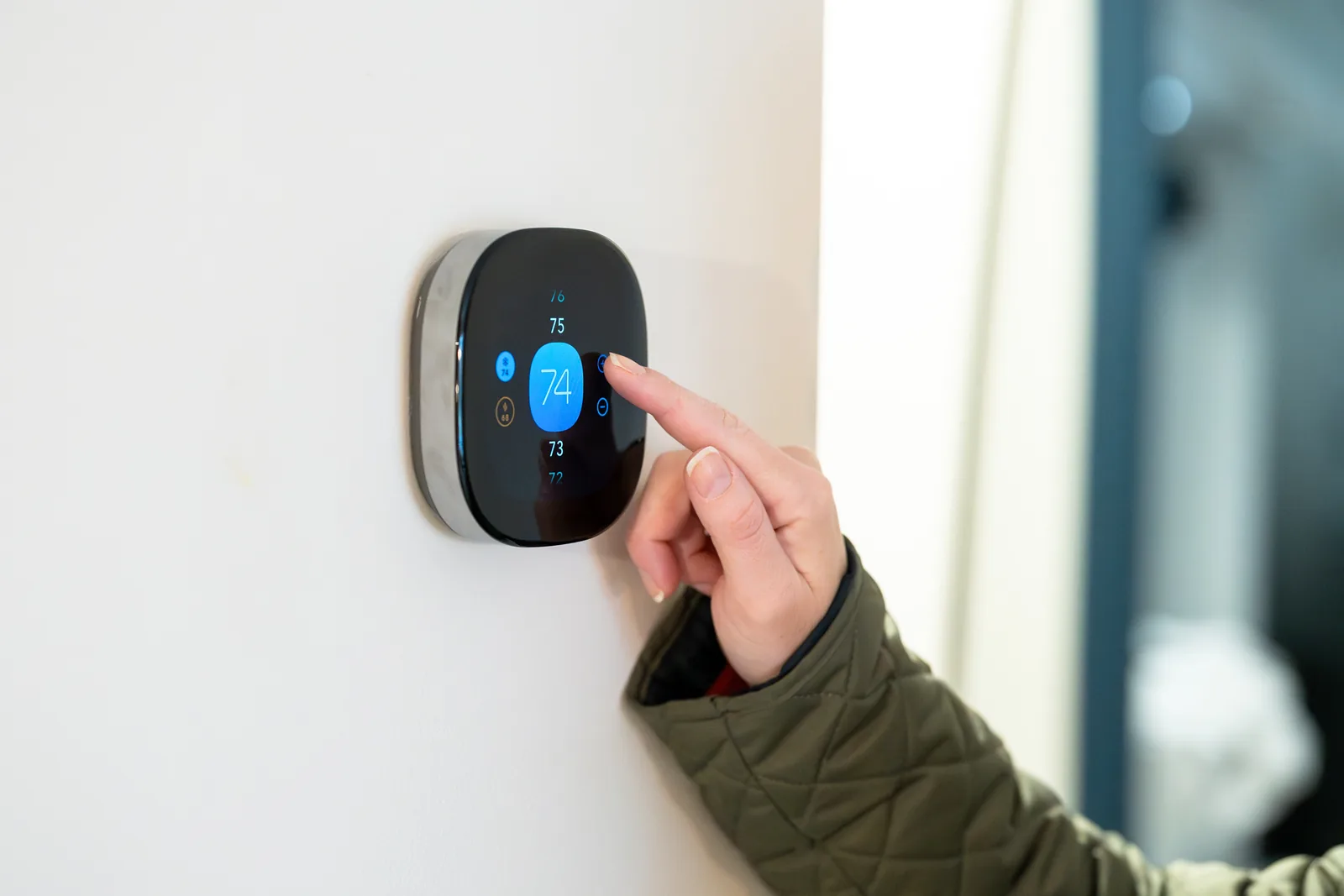
A thermostat calls for heating or cooling based on the temperature it senses at its location. It does not average every room in a Perry ranch, a Keaton Beach weekend house, or a rural shop with a small office wing. When the hall feels fine and the back bedroom stays warm, the wall control may be doing its job while the rest of the system is not.
We see a lot of Taylor County homeowners shop for a smart thermostat when the real problem is a dirty filter, a restricted return, a failing outdoor fan, or a heat pump stuck in the wrong mode. A control upgrade can still help. It should not be the first guess when supply air never cools or one wing of the house never catches up.
Browse thermostat repair and installation when the display, wiring, or sensor placement is the clear weak link. Keep equipment questions on air conditioner repair and installation or heat pump repair and installation when the outdoor unit or air handler is the louder symptom.
What a better control can fix
A modern thermostat can fix confusing schedules, dead batteries, faded screens, and holds that never return to the program you meant. It can also support a remote sensor in the room you actually use, which matters when the main control sits in a sunny hallway or near a kitchen that heats up during dinner.
Fan mode is another common win. Leaving the fan on continuously can move humid air through the house on sticky Big Bend afternoons without removing much moisture. Switching to auto often changes how the home feels even when the setpoint never moves. We covered related comfort habits in heat pump mode on long cooling days.
If your current wall unit cannot hold a schedule after power blinks, or the mode label never matches what the equipment does, a control replacement paired with a wiring check is reasonable. Photo the existing screen, wire labels, and outdoor nameplate before anyone pulls the old base. Those notes shorten the visit across routes through Perry and our service areas.
What a thermostat will not repair
A new control will not clear a clogged condensate drain, straighten crushed flex duct, or restore charge on a low refrigerant system. It will not cool a closed-off guest wing that has no return path. It will not fix a dirty outdoor coil that raises head pressure on a long hot afternoon.
If supply registers stay lukewarm after twenty minutes of a cooling call, write that down before you buy hardware. Feel return grille pull. Note whether the outdoor fan spins. Look for ice on the indoor coil or water in the emergency pan. Those clues belong on a repair visit, not in a retail thermostat aisle.
Room-to-room imbalance often points to duct design, closed doors, or insulation more than to the brand of wall control. Read why return air can feel warm at full load when the whole house feels soft, and use air duct repair when one distant room never improves under comparable setpoints.
Sensor location and sun load before you change hardware
Walk the wall where the thermostat sits at mid afternoon. Direct sun on the plastic, a lamp nearby, or a return that dumps kitchen heat into the hall can make the control call for more cooling than the bedrooms need. Shade the sensor for a day or move a lamp before you conclude the equipment is oversized or undersized.
Remote sensors help when the family lives in a different room than the hallway. They do not help when the equipment never produces cold supply air. Separate those two problems in your notes: control location versus equipment performance.
Coastal and inland homes share the same rule. A weekend place that sits closed all week needs a recovery plan that does not hammer the system with a deep setback the moment you arrive. Occupancy patterns belong in the conversation when you schedule through contact.
A short checklist before you approve an upgrade
Confirm cool mode is active and the outdoor unit answers the call. Replace or inspect the filter. Clear debris within two feet of the outdoor cabinet when it is safe to walk the pad. Write which rooms disagree with the wall reading and at what time of day.
If those steps leave you with a working system that still fights bad schedules, dead sensors, or a hallway reading that does not match the bedrooms, a thermostat upgrade is on the table. If the system never cools, keep the money for diagnosis.
Compare our homeowner cooling checklist when you want a two-phase walk before any hardware talk. Indoor air and humidity questions that sit beside control issues live under indoor air quality assessment and dehumidifier repair and installation.
How we scope thermostat work in Taylor County
On a typical visit we verify equipment response, check wiring compatibility, confirm sensor placement, and only then talk about which control fits the house. We are a Carrier dealer with decades of local refrigeration and HVAC history, and we still start with what the system is doing today rather than with a product brochure.
Bring photos of the thermostat screen, the filter slot, and the outdoor nameplate when you call. Mention whether the house is a full-time home, a rental, or a shop with an office. That context changes whether a simple schedule fix or a full control swap is the right next step.
Call 850-584-3626 or use contact to schedule. Company background sits on about, and more seasonal notes are on the blog. A thermostat can be a sharp tool. It is not a substitute for cold air, clear drains, and real airflow.